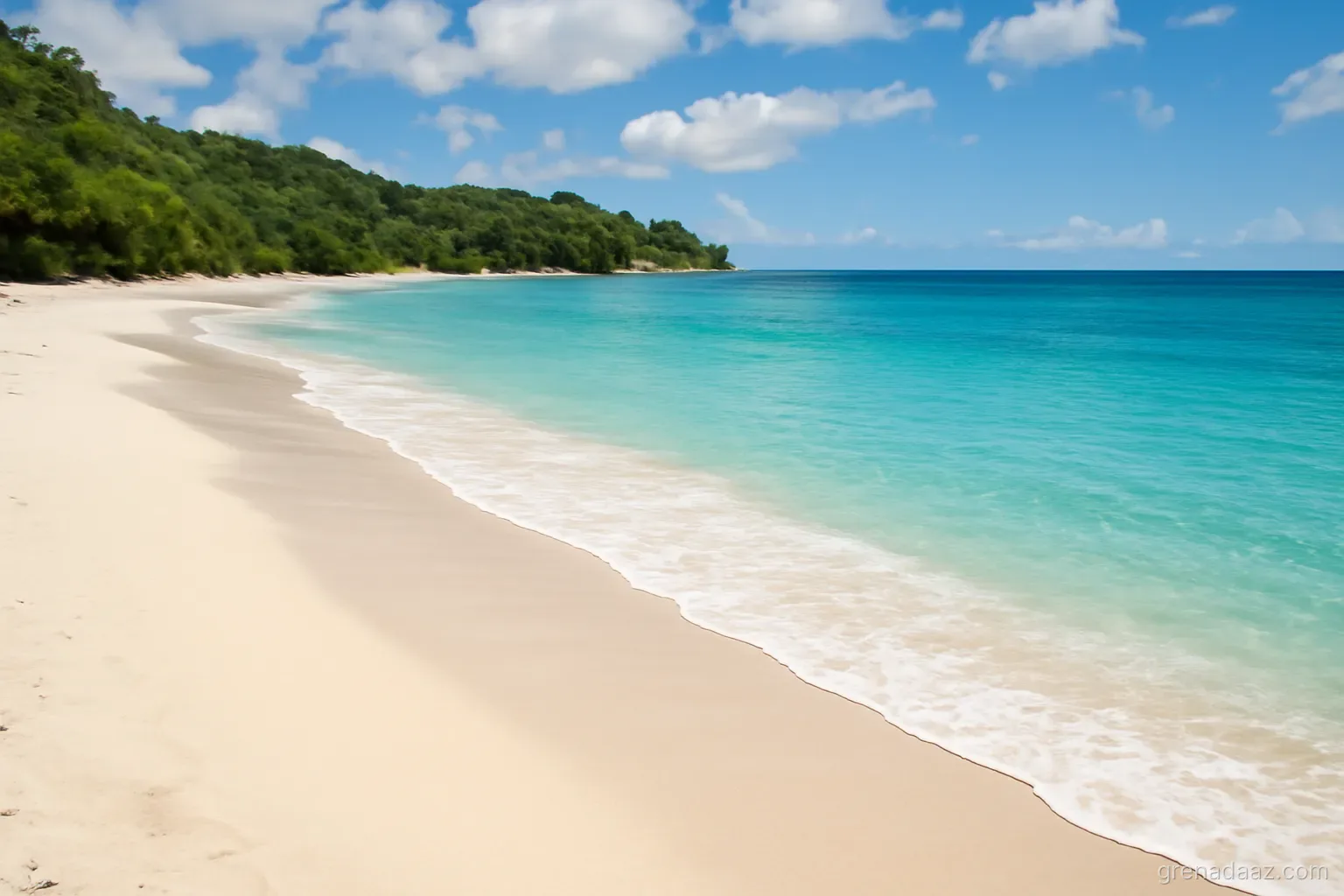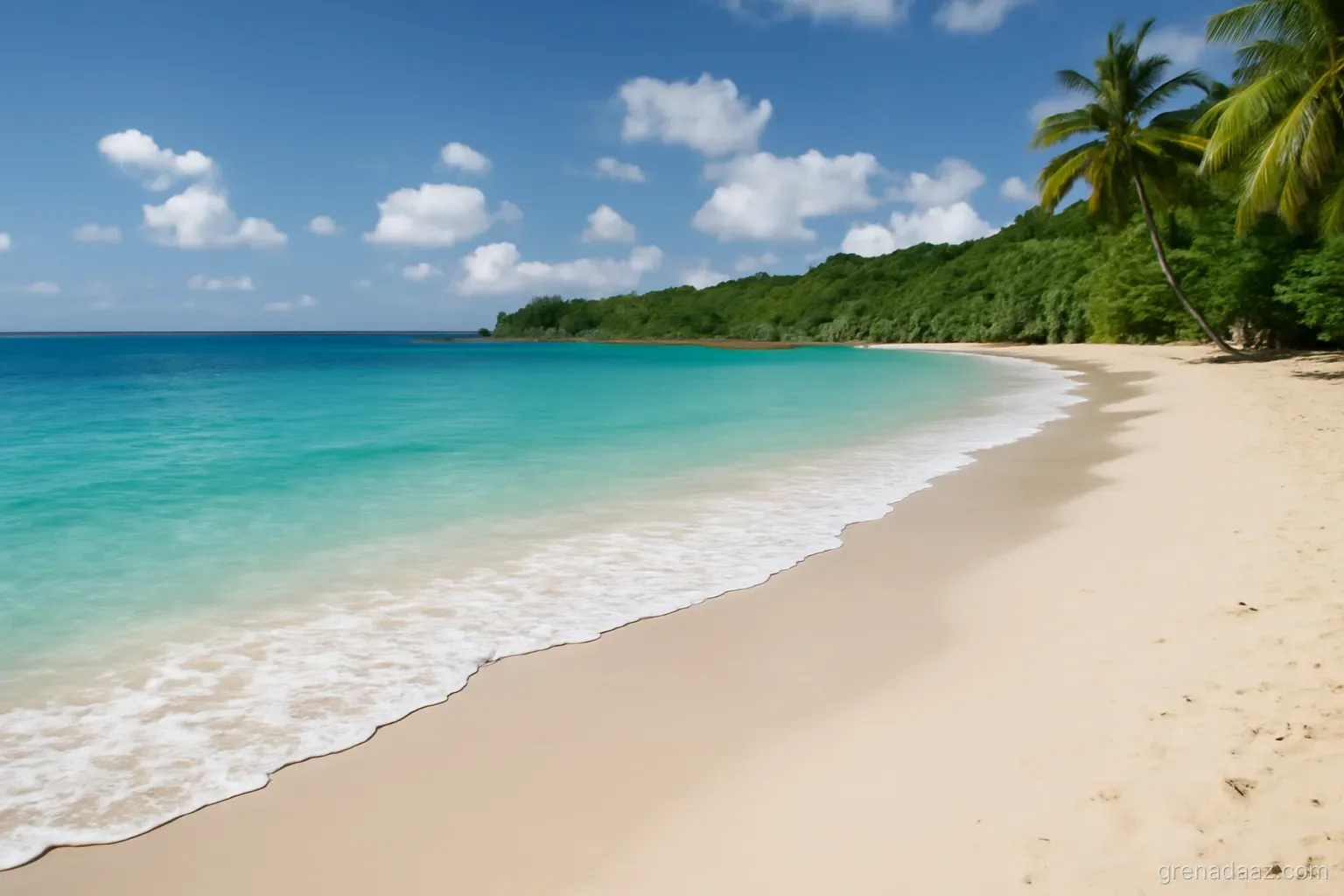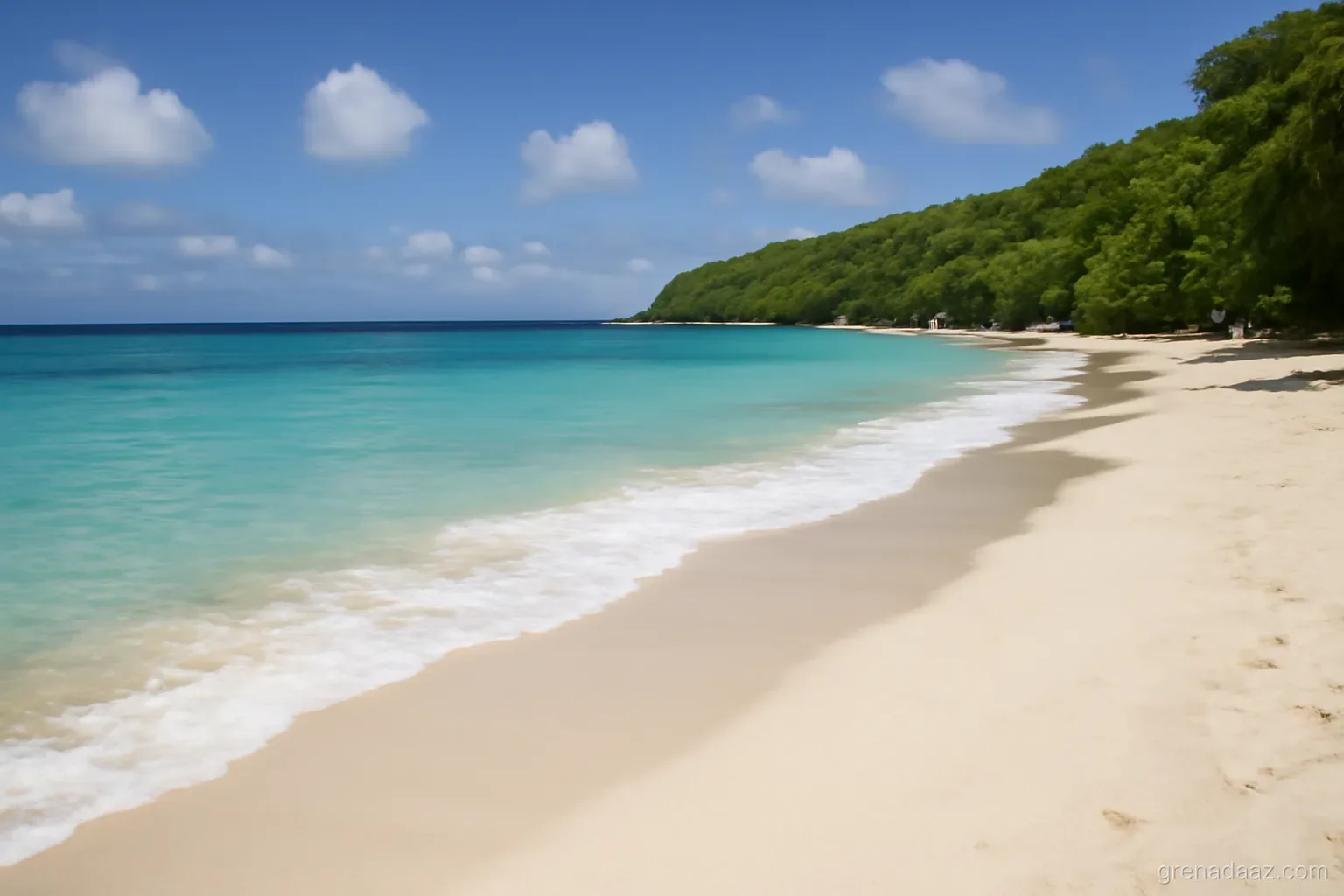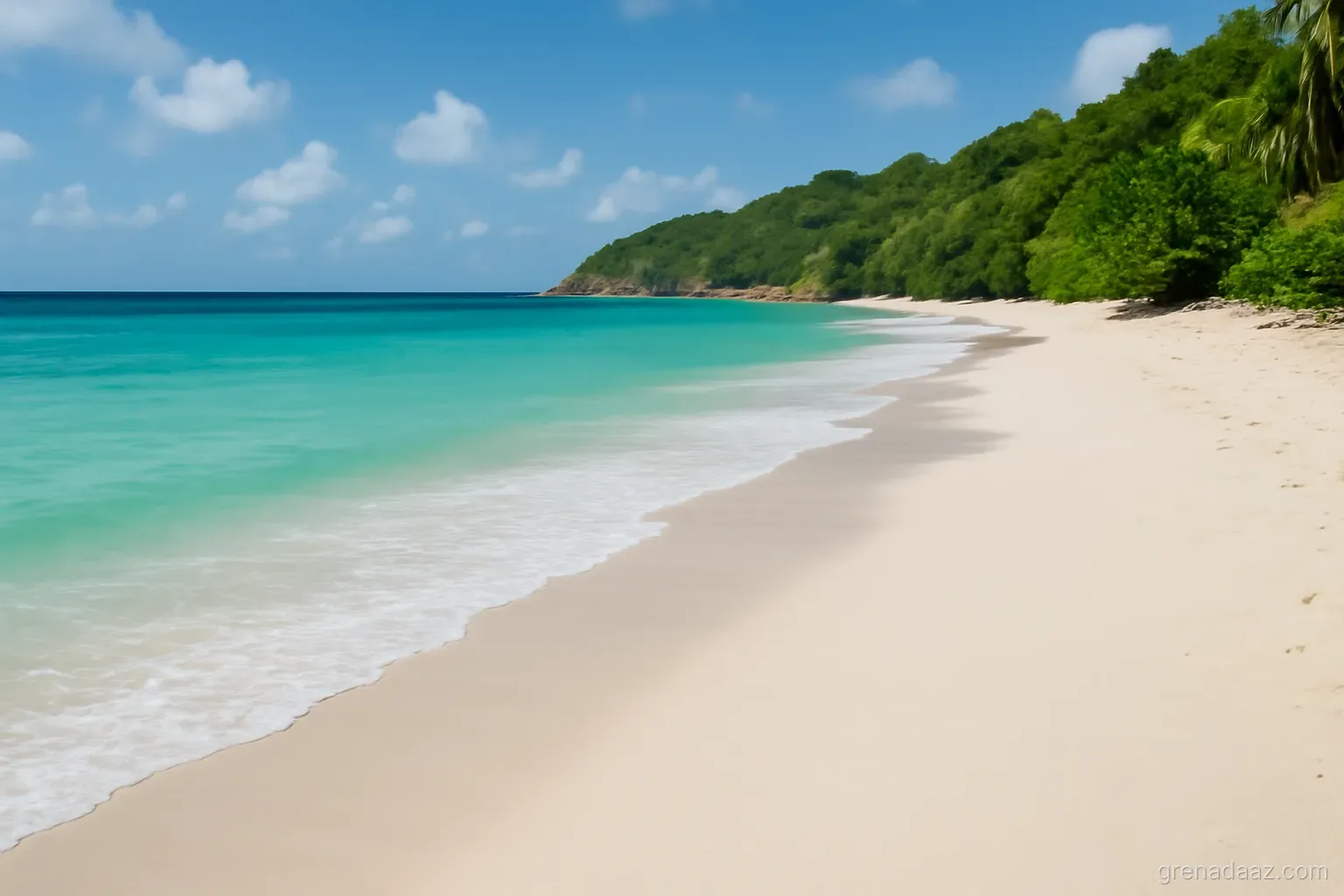
Off the west coast of Grenada, a collection of concrete figures stands on the seabed. It was the first underwater sculpture park anywhere in the world, created in the mid-2000s, and it has since been imitated in several countries.
What is down there
The installation consists of figurative sculptures placed on a sandy seabed at snorkelling and shallow diving depths. The best-known piece is a ring of figures holding hands, cast from local people, arranged in a circle on the bottom.
Other works include a solitary figure at a desk, a cyclist, and various groupings. New pieces have been added over the years, and some original works have deteriorated or been damaged by storms.
Why it exists
The stated purpose combines three aims:
- Artificial reef creation — the sculptures are made from pH-neutral marine cement with textured surfaces that coral and marine organisms colonise
- Diverting visitor pressure — drawing snorkellers and divers away from natural reef that was under stress
- Post-hurricane regeneration — the project followed severe storm damage to the natural reef system
The second aim is the practical one and it works: a site that is genuinely interesting and entirely artificial absorbs traffic that would otherwise land on damaged coral.
What has happened since
Over the years the sculptures have accumulated coral, sponge and algae, and they now support fish populations. The visual character has changed — figures that began as clean grey concrete are now encrusted and colonised, which was always the intention.
Storm damage has affected some pieces, and the site is within a marine protected area with anchoring restrictions and mooring provision.
Visiting
- Accessible by snorkelling for the shallower pieces, and by diving for the fuller experience
- Boat trips run from the west coast and from the capital
- Glass-bottom boats for those not entering the water
- Visibility varies — reduced after heavy rainfall because of runoff
Why it matters beyond tourism
The project is a compact example of how a very small country competes for attention: not by out-spending larger neighbours, but by creating something that exists nowhere else. It has generated international coverage far out of proportion to its cost, and it has been copied — which is itself a form of validation.
It also demonstrates a functioning intersection of art, tourism and marine conservation, which is a harder combination to achieve than it sounds.
Frequently asked questions
What makes it significant?
It was the first underwater sculpture park anywhere in the world and has since been imitated in several countries.
What practical purpose does it serve?
It draws snorkellers and divers away from stressed natural reef, and acts as an artificial reef itself.
Do you need to dive to see it?
No — shallower pieces are reachable by snorkelling, and glass-bottom boats serve those not entering the water.
What are the sculptures made of?
pH-neutral marine cement with textured surfaces designed for coral and marine organisms to colonise.
Need a tailored roadmap?
Viking Global Group walks with you from paperwork to settlement. Call +849.219.219.88 or email [email protected] for a free consultation.
Related articles
Frequently Asked Questions
What about Nature and travel in Grenada?
The article covers nature and travel in Grenada.
How does this relate to the Grenada guide?
The article links the Grenada guide to nature and travel.
Information is for reference and may change under the latest official policy. Please contact us for current regulations.