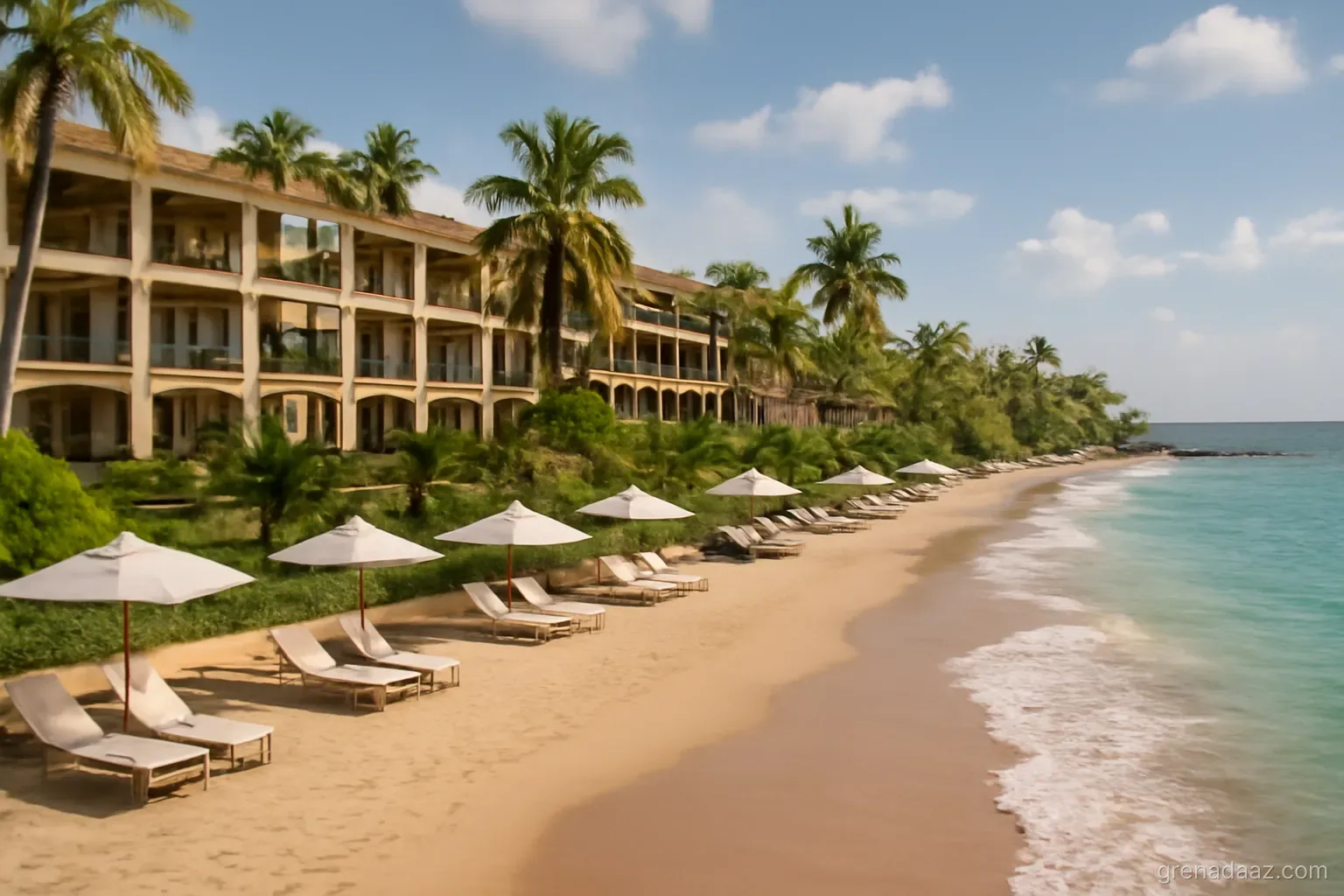
Grenada has a tropical maritime climate with two seasons rather than four, and far more local variation than a country this size would suggest.
Two seasons
The dry season — roughly January to May. Lower rainfall, steadier trade winds, the peak visitor period. Even then the interior stays green, because the mountains generate rain the coast does not receive.
The wet season — roughly June to December. Heavier and more frequent rainfall, higher humidity, warmer nights. Rain typically comes in intense bursts rather than as all-day drizzle, so a wet-season day is not a lost day.
Local variation
This is the feature that surprises people:
- The southwest coast is considerably drier than the island average
- The interior highlands receive several times the coastal rainfall
- The Atlantic coast is windier and cooler-feeling
- Carriacou is drier again than the mainland
The practical consequence: weather forecasts for the country as a whole are close to meaningless. It is entirely normal for it to be raining hard in the mountains while the beach is in full sun.
Temperature
Warm and remarkably stable year-round, moderated by sea breezes and trade winds. The variation between the warmest and coolest months is modest — far less than the variation between a coastal afternoon and a highland morning.
Elevation matters more than season: the rainforest interior is noticeably cooler, and visitors heading inland underestimate this.
The hurricane question
Grenada sits at the southern margin of the traditional hurricane belt, and for a long period this produced a reputation for relative safety — which influenced building practice and insurance.
The record has since forced a revision. Major storms have struck directly, causing catastrophic damage to the mainland in one instance and to the sister islands in another. The southern position reduces frequency; it does not confer immunity.
Three practical implications:
- Building standards and insurance reflect real exposure
- The official season runs roughly June to November, with the greatest risk in the later months
- Property assessment should include storm exposure, drainage and elevation
When to visit
Dry season for reliable weather and calm seas, at peak prices. Wet season for lower prices, greener landscape and fewer visitors, accepting rain and storm risk. The shoulder months either side offer a reasonable compromise.
Frequently asked questions
How many seasons are there?
Two — a drier season roughly January to May and a wetter one roughly June to December.
Why are national forecasts unhelpful?
Because local variation is extreme — heavy rain in the mountains while the coast is in full sun is normal.
Is Grenada safe from hurricanes?
Its southern position reduces frequency but does not confer immunity — major storms have caused catastrophic damage.
Does temperature vary much?
Little by season, but noticeably by elevation — the rainforest interior is distinctly cooler.
Need a tailored roadmap?
Viking Global Group walks with you from paperwork to settlement. Call +849.219.219.88 or email [email protected] for a free consultation.
Related articles
Frequently Asked Questions
What about Geography and nature in Grenada?
The article covers geography and nature in Grenada.
How does this relate to the Grenada guide?
The article links the Grenada guide to geography and nature.
Information is for reference and may change under the latest official policy. Please contact us for current regulations.