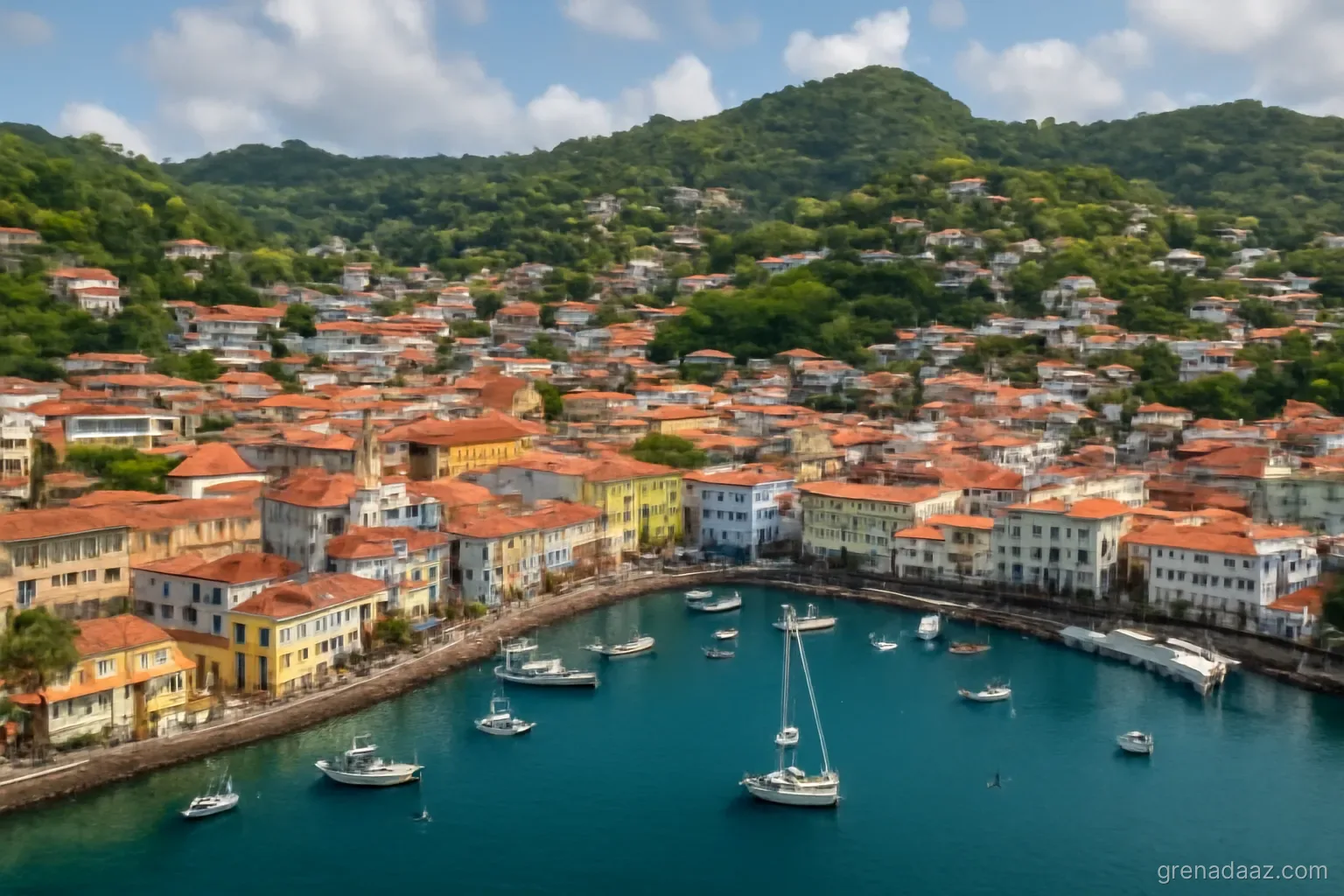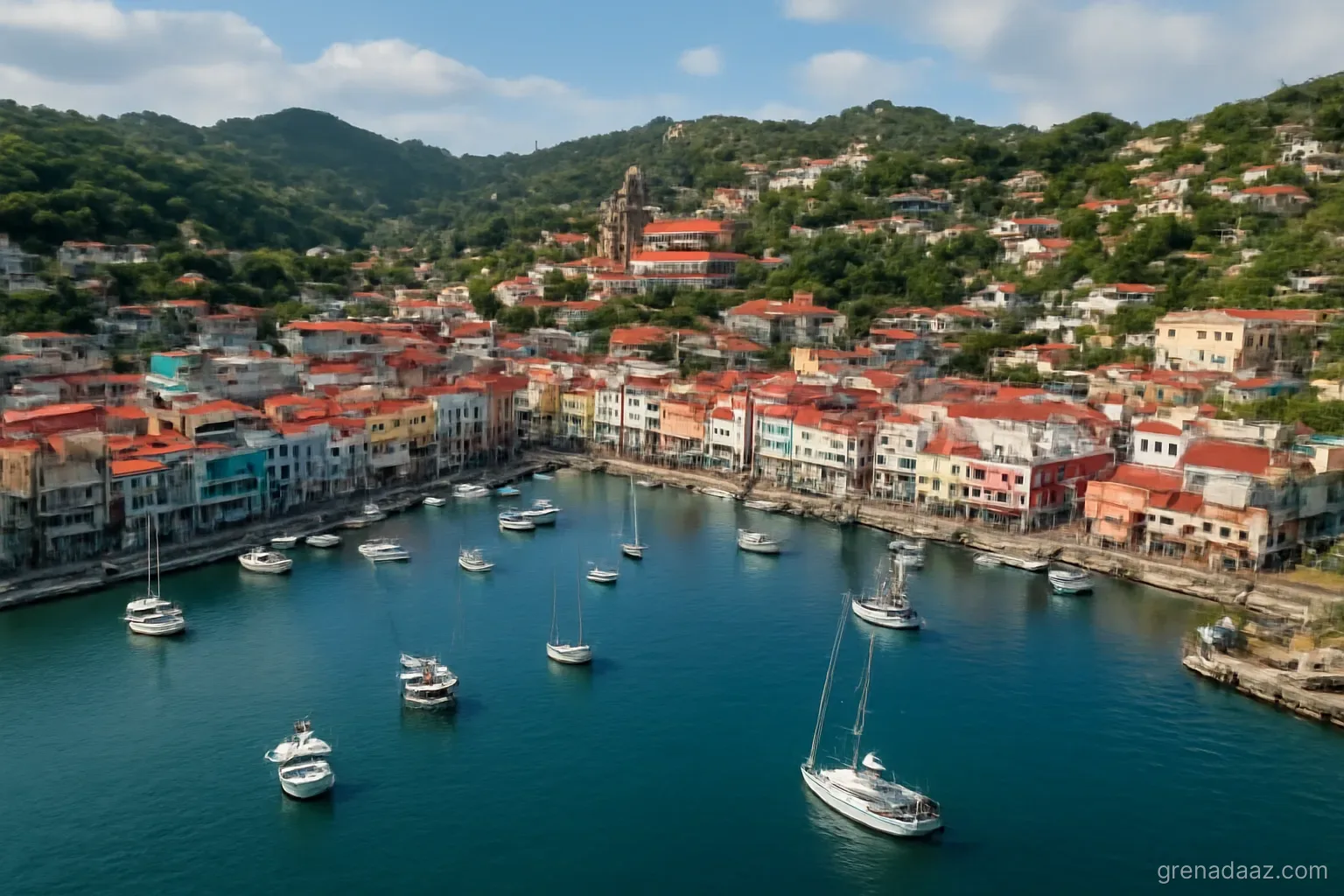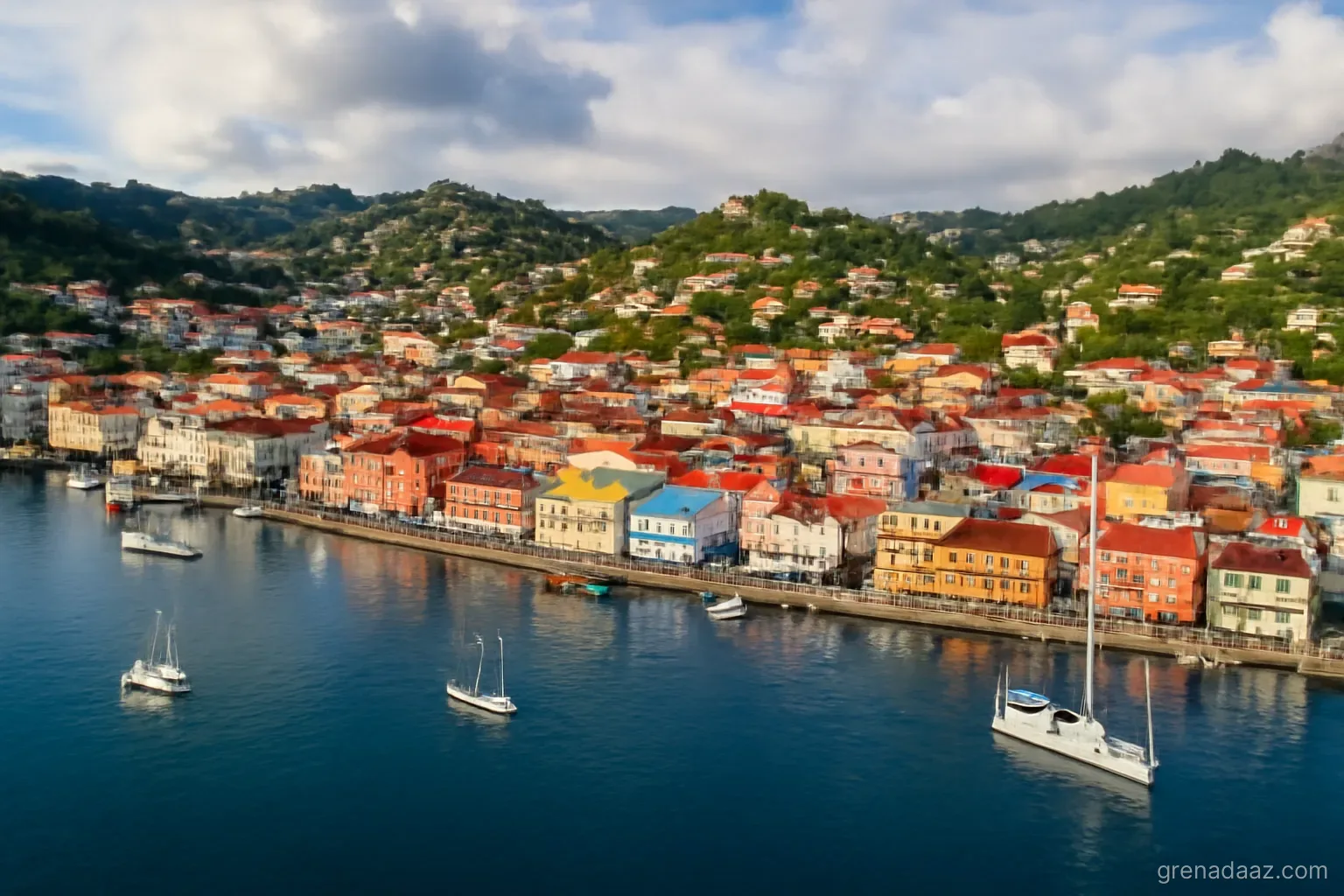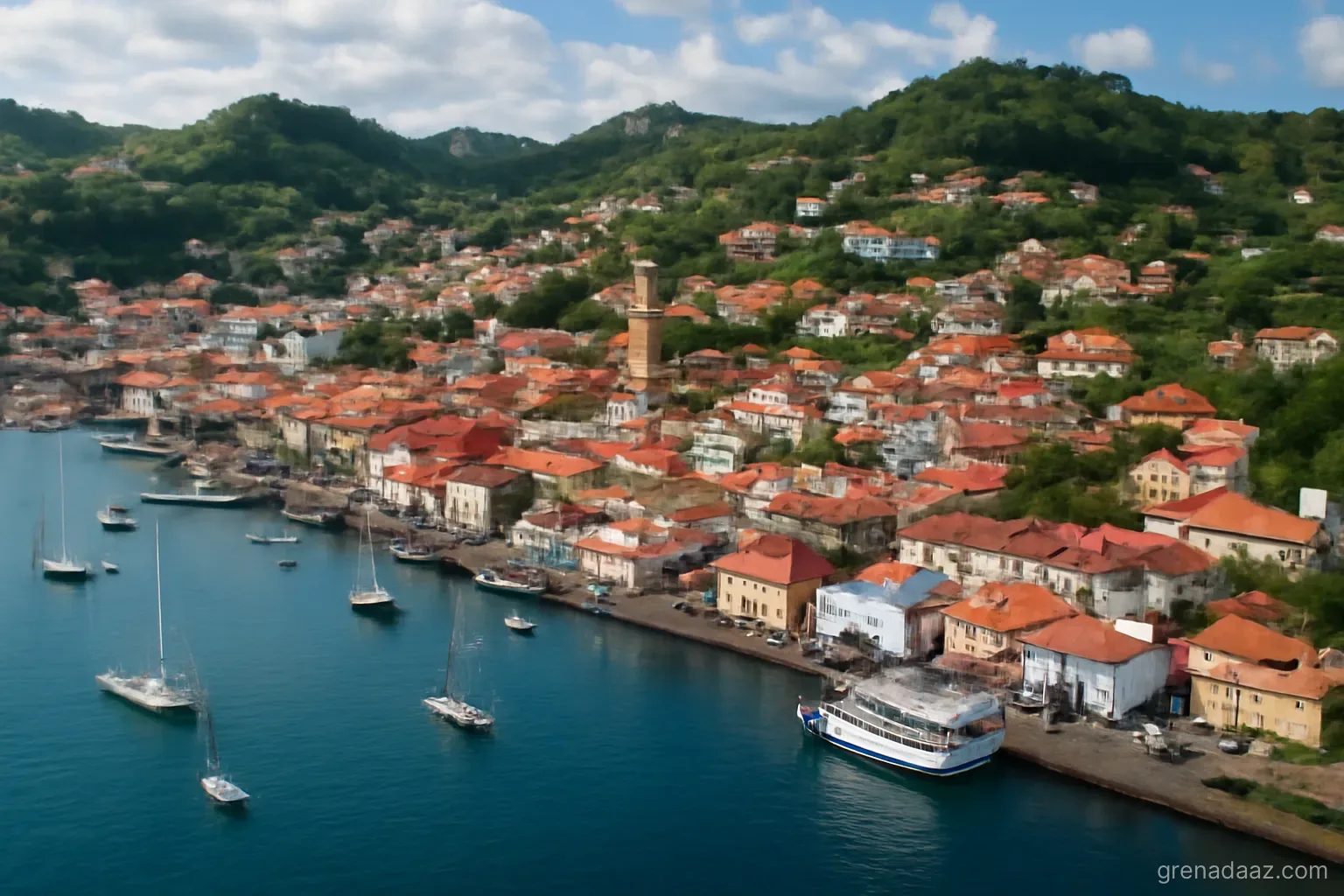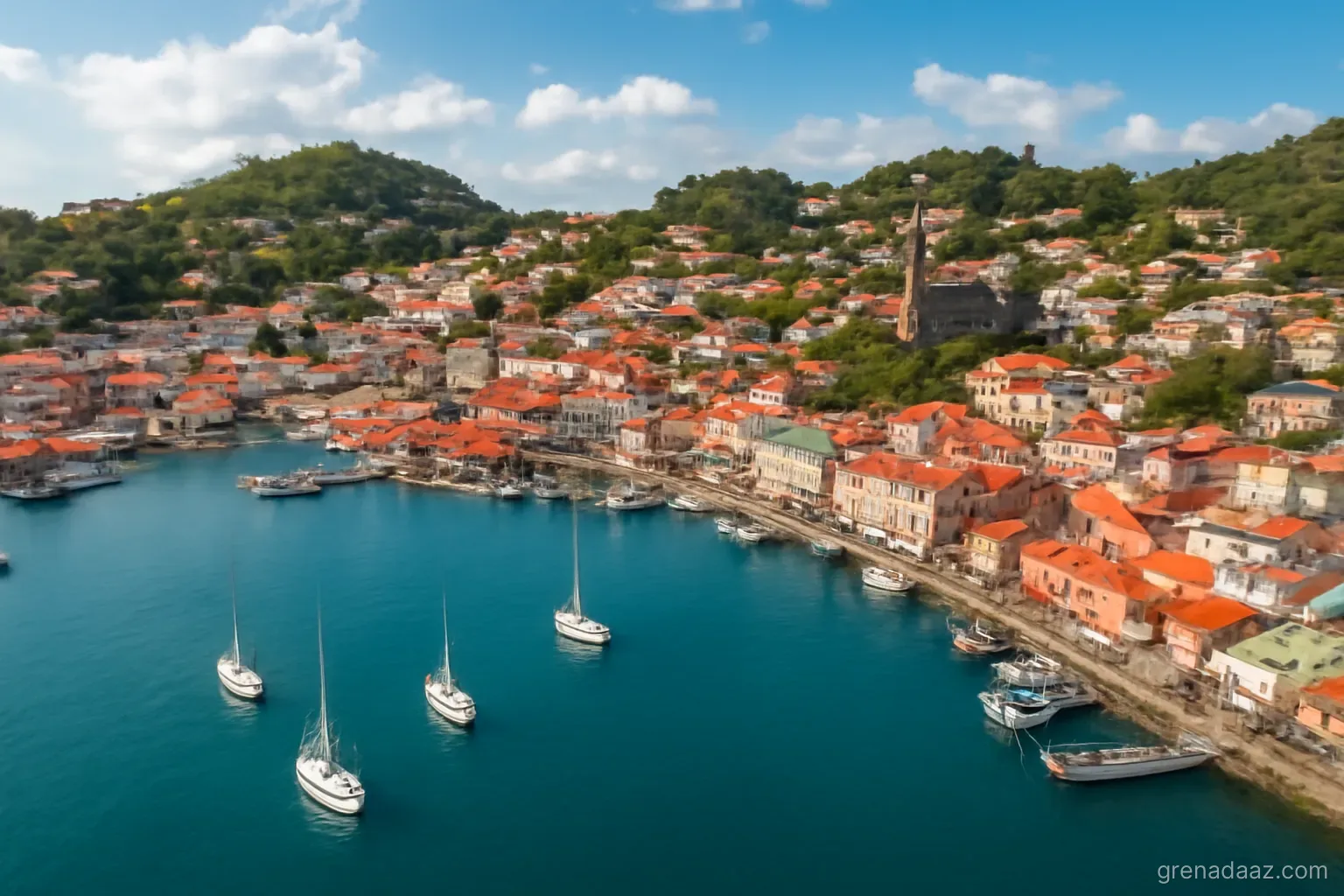
Grenada is a three-island nation in the southeastern Caribbean, and the nickname it carries — the Spice Isle — is not a tourism invention. It reflects an agricultural history that shaped the landscape, the economy and the national identity.
Where it sits
- At the southern end of the Windward Islands, north of Trinidad and Tobago and south of Saint Vincent and the Grenadines
- Comprising the main island of Grenada plus Carriacou and Petite Martinique, and a scatter of smaller islets
- Positioned at the southern edge of the traditional hurricane belt — historically less exposed than islands further north, though not immune
That last point matters more than a geography note usually would. It shaped where people built, what insurers charged, and how the country marketed itself — until events proved the margin was thinner than assumed.
Why spice
Nutmeg was introduced in the nineteenth century and found conditions that suited it almost perfectly: volcanic soil, high rainfall, and elevation. For generations Grenada was one of the world's leading nutmeg producers, a remarkable position for a country of roughly a hundred thousand people.
Alongside nutmeg came mace — the lacy covering of the same seed, sold separately — plus cinnamon, cloves, ginger and cocoa. The nutmeg even appears on the national flag.
The industry has been through severe disruption, but spice remains central to how the island understands itself, and to what visitors encounter at every market stall.
The landscape
Grenada is volcanic in origin and dramatically vertical for its size. Within a short drive you pass from beach to rainforest to crater lake.
- Mountainous interior rising to around eight hundred metres
- Rainforest in the highlands, with waterfalls and a crater lake at Grand Etang
- Sheltered south-west coast with the calmest beaches, including Grand Anse
- Exposed Atlantic east coast, rougher and less developed
The people
The population is predominantly of African descent, with smaller communities of mixed, East Indian and European heritage. English is the official language, spoken alongside a widely used English-based creole. Christianity is the dominant faith, with Catholic and Anglican traditions strongly represented.
Grenada is small enough that social networks overlap constantly — a feature that visitors notice quickly and residents describe as both the best and the most demanding thing about island life.
What the country lives on
Four pillars: tourism, education — driven by a large offshore university, agriculture and spice exports, and revenue from its citizenship programme. It is a small, open economy with limited diversification, which makes it sensitive to external shocks but also nimble in responding to them.
Frequently asked questions
Why is Grenada called the Spice Isle?
Because of its long-standing position as a major producer of nutmeg and mace, alongside cinnamon, cloves and cocoa — nutmeg even appears on the national flag.
How many islands make up the country?
Three inhabited islands — Grenada, Carriacou and Petite Martinique — plus several smaller islets.
Is Grenada inside the hurricane belt?
It sits at the southern edge, historically less exposed than islands further north, though not immune.
What language is spoken?
English is official, spoken alongside a widely used English-based creole.
Need a tailored roadmap?
Viking Global Group walks with you from paperwork to settlement. Call +849.219.219.88 or email [email protected] for a free consultation.
Related articles
Frequently Asked Questions
How does this relate to the Grenada guide?
The article links the Grenada guide to overview.
Information is for reference and may change under the latest official policy. Please contact us for current regulations.