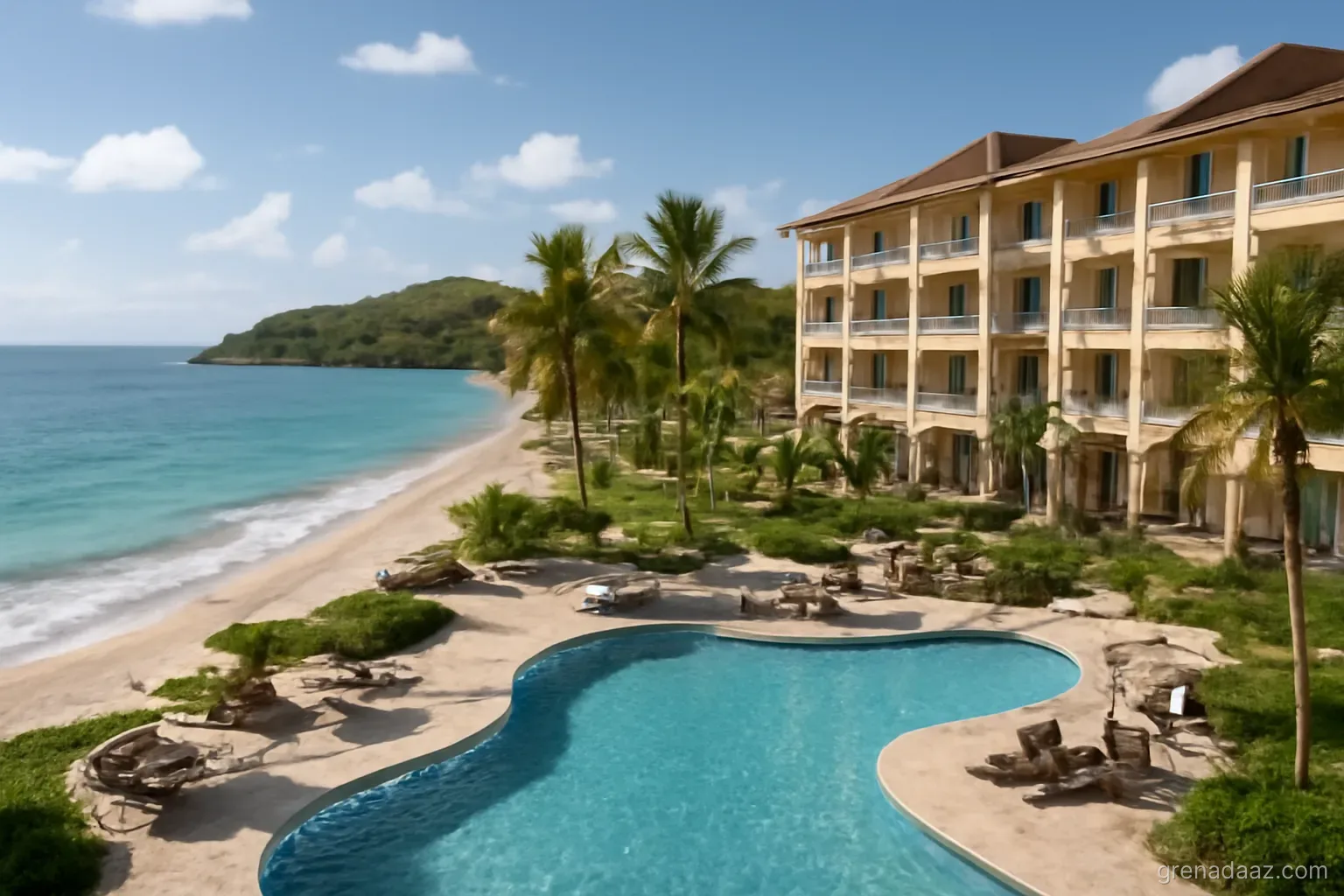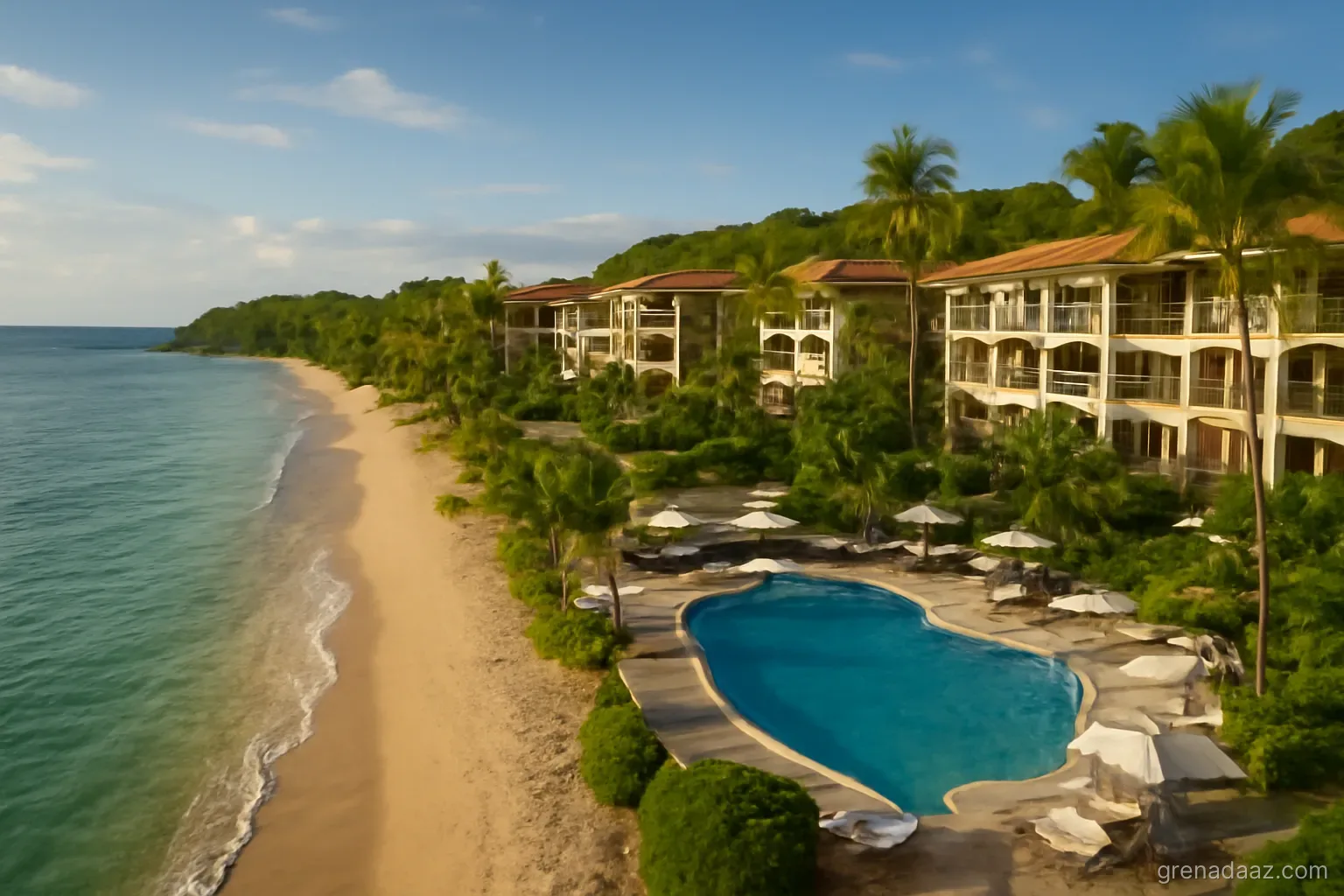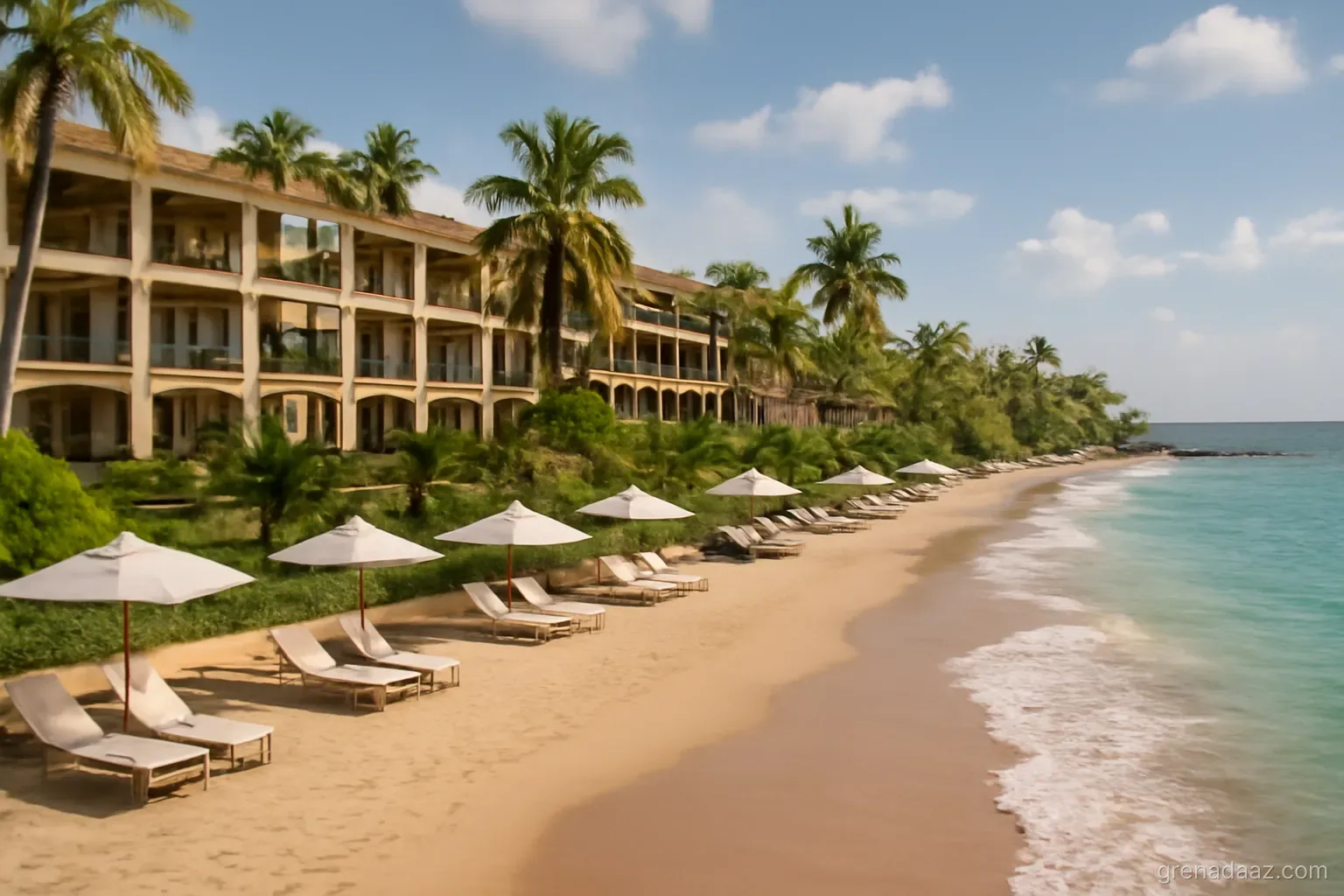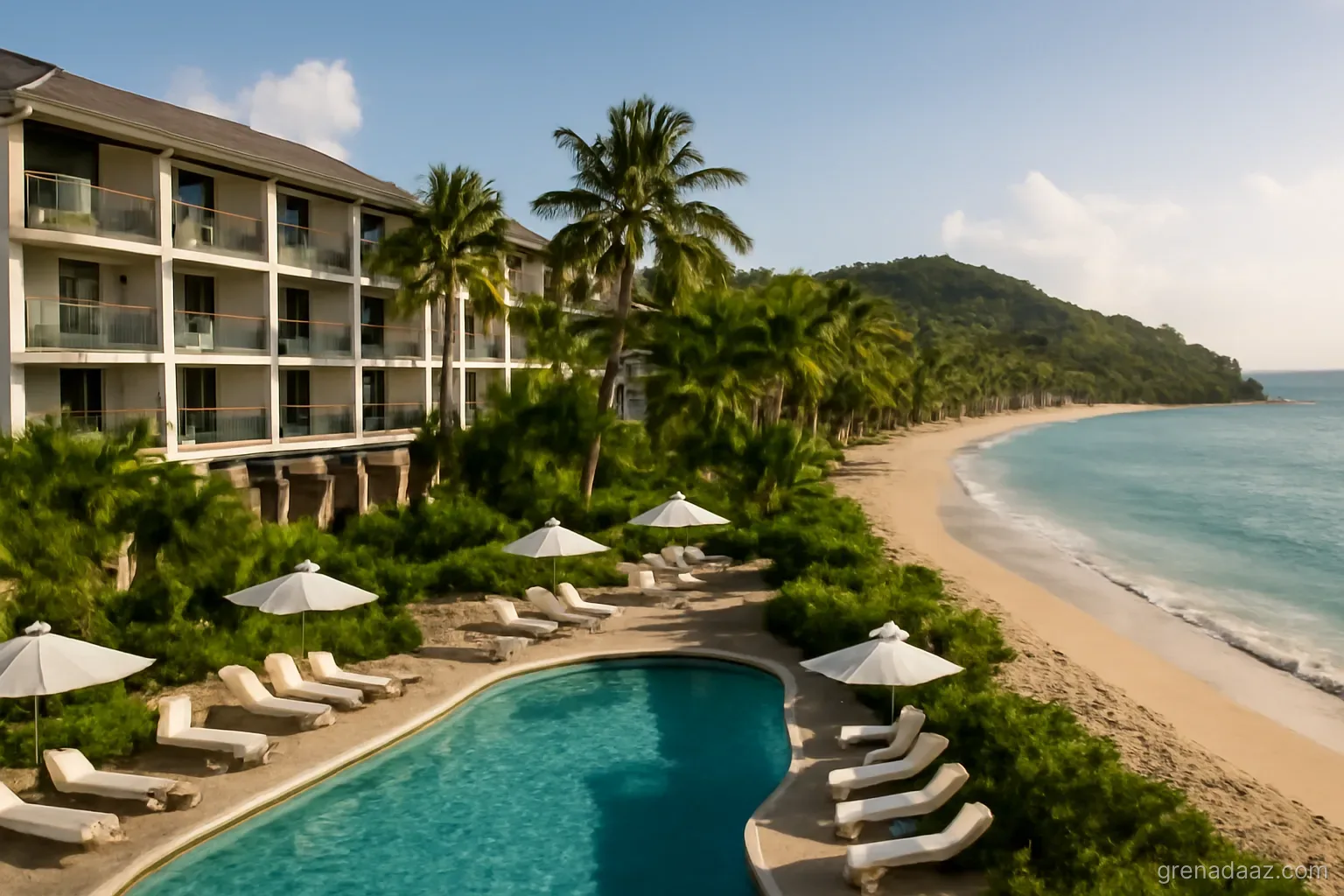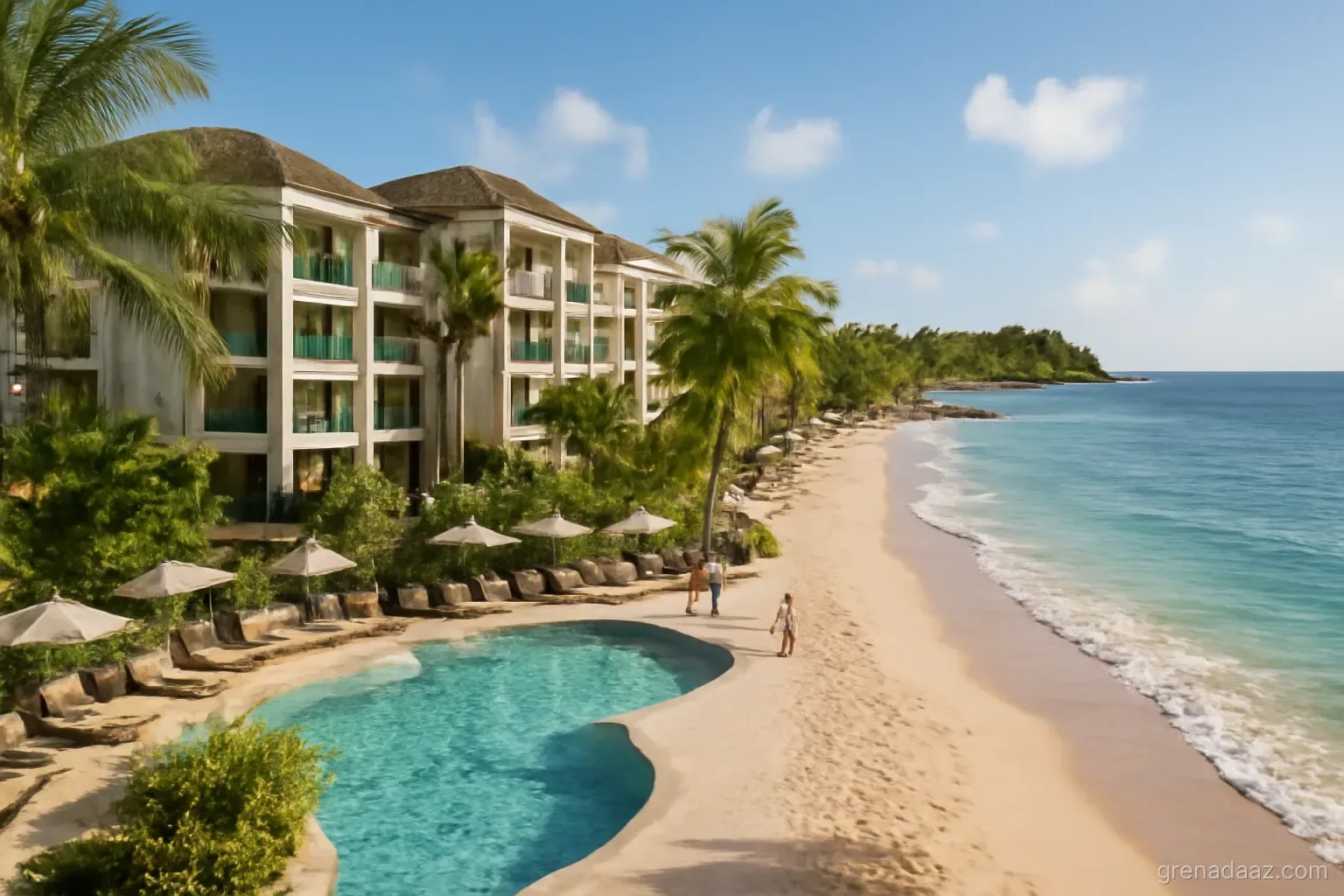
Grenada is a volcanic island, and almost everything about how people live there follows from that fact. It is not a flat coral platform; it is a mountain range with a coastline attached.
The vertical structure
- A central mountainous spine running roughly north to south
- Mount St Catherine, the highest point, at around eight hundred and forty metres in the northern interior
- Steep valleys radiating outward, carrying rivers to the coast
- Narrow coastal plains, widest in the southwest where most development sits
The consequence: usable flat land is scarce, which explains both the concentration of settlement in the southwest and why building on slopes — with all the drainage and stability questions that raises — is normal here.
Volcanic origins
The island formed through volcanic activity, and the evidence is everywhere: crater lakes in the interior, black-sand beaches on parts of the coast alongside the pale sand of the southwest, hot springs, and deep fertile soils.
There is also a submarine volcano off the northern coast — an active feature monitored by regional geological authorities and periodically the subject of maritime exclusion advisories.
Rainfall and the two Grenadas
Elevation creates a sharp divide:
- The interior highlands receive very heavy rainfall, supporting genuine rainforest
- The coastal southwest is markedly drier, which is why the resorts and the airport are there
Visitors staying on the southwest coast can experience a completely different climate from someone living twenty minutes inland. It rains in the mountains when the beach is in full sun, and this is normal rather than exceptional.
Coasts
The Caribbean side — west and southwest, sheltered, calm water, the beaches most people picture.
The Atlantic side — east and northeast, exposed to open ocean, rougher water, stronger winds, dramatic coastline and far less development.
This division shapes fishing, tourism, shipping and where people choose to live. It also affects safety: swimming conditions on the Atlantic coast are genuinely different from the sheltered west.
Rivers and soil
Numerous short, steep rivers run from the interior to the sea. They provide water, they supported the historic waterwheel-driven industries still visible at old estates, and they carry heavy sediment during intense rainfall.
The volcanic soil is the reason spice agriculture succeeded here. It is deep, mineral-rich and, on slopes, vulnerable to erosion when tree cover is removed — a live issue after major storms.
Frequently asked questions
Is Grenada flat?
No — it is volcanic and mountainous, rising to around eight hundred and forty metres, with scarce flat land.
Why is the southwest developed?
Because it has the gentlest terrain, the driest coastal climate, the calmest beaches and the airport.
Does it rain the same everywhere?
No — the interior highlands receive far heavier rainfall than the coastal southwest, often simultaneously.
How do the two coasts differ?
The Caribbean side is sheltered with calm water; the Atlantic side is exposed, rougher and far less developed.
Need a tailored roadmap?
Viking Global Group walks with you from paperwork to settlement. Call +849.219.219.88 or email [email protected] for a free consultation.
Related articles
Frequently Asked Questions
What about Geography and nature in Grenada?
The article covers geography and nature in Grenada.
How does this relate to the Grenada guide?
The article links the Grenada guide to geography and nature.
Information is for reference and may change under the latest official policy. Please contact us for current regulations.