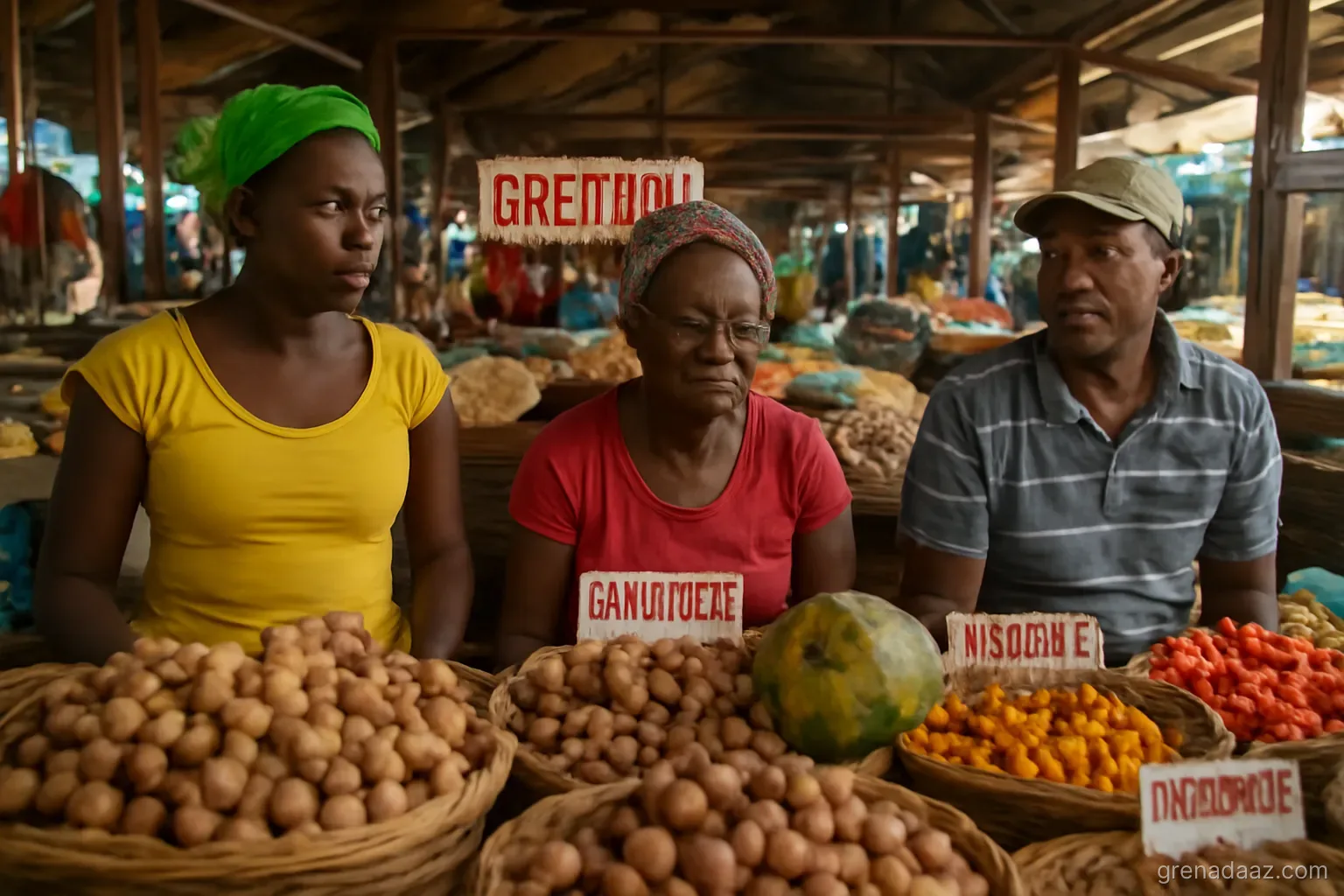
Grenadian cooking rests on three things: ground provisions, seafood, and spice used far beyond dessert.
The national dish
Oil down is a one-pot meal built from breadfruit, salted meat, callaloo leaves, dumplings and vegetables, all simmered in coconut milk with turmeric and local seasoning until the liquid is absorbed — which is where the name comes from.
It is social food. Made in a large pot over a fire, at beach gatherings, family occasions and public celebrations, it is not restaurant food by origin, and eating it in a hotel is not the same experience.
Ground provisions
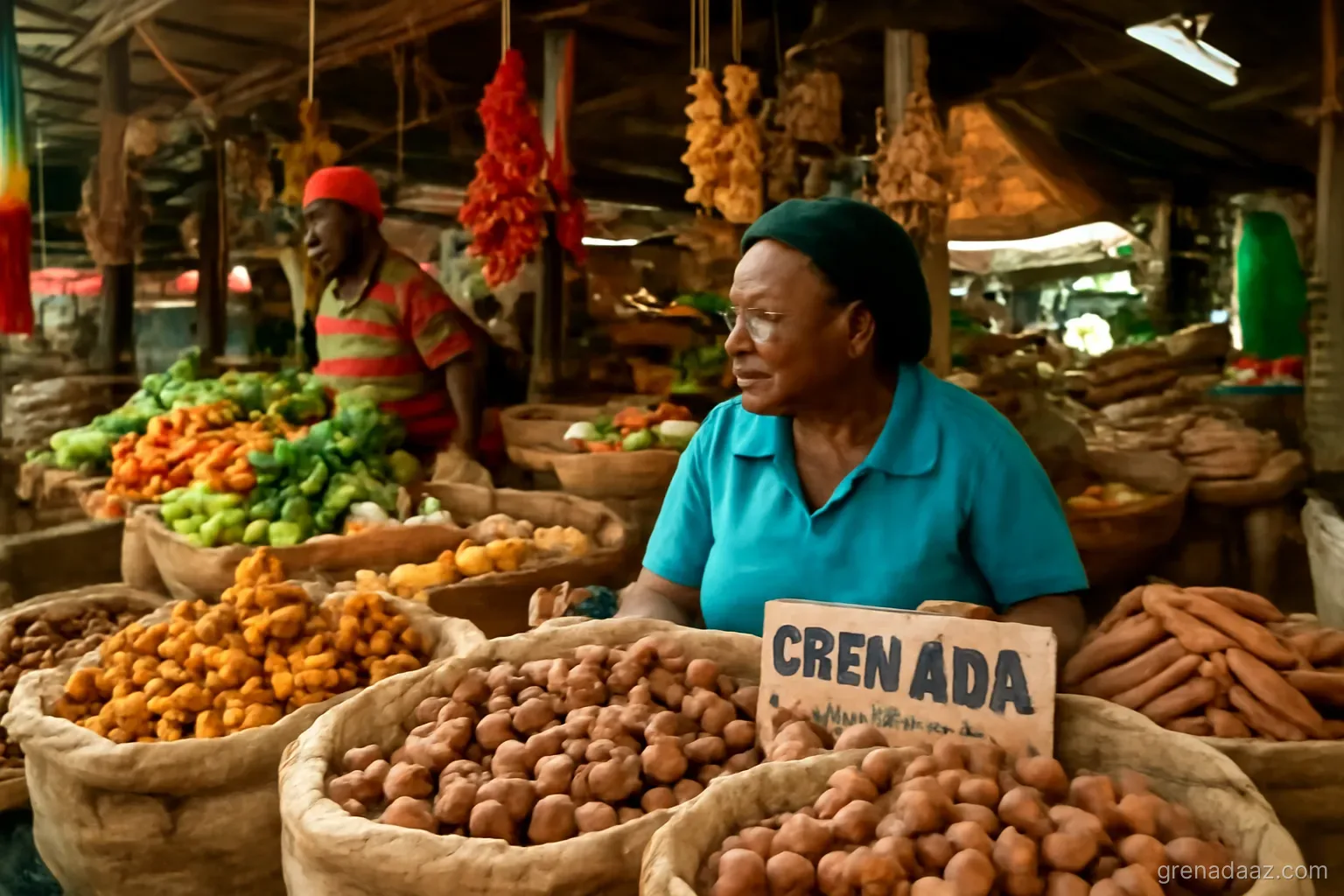
The starch base of the local diet, and the term itself is worth knowing:
- Breadfruit — versatile, roasted, boiled or fried
- Dasheen and eddoes — root vegetables, boiled or in soup
- Green banana and plantain — boiled as a starch, not only fried as a snack
- Cassava and sweet potato
- Yam
These appear at almost every home meal, and their prominence is one of the clearer differences between local cooking and what tourist restaurants serve.
Seafood
Grenada has a working fishing industry, and the daily catch shapes menus.
- Tuna, mahi-mahi and kingfish — grilled or stewed
- Lambi — conch, stewed or curried, a local staple rather than a novelty
- Lobster — seasonal, with a closed period to protect stocks
- Fried jacks and smaller fish — everyday eating
The Friday fish fry at a west coast fishing village has become the best-known food event in the country, and it is a genuine community occasion rather than a staged one.
Where the spice goes
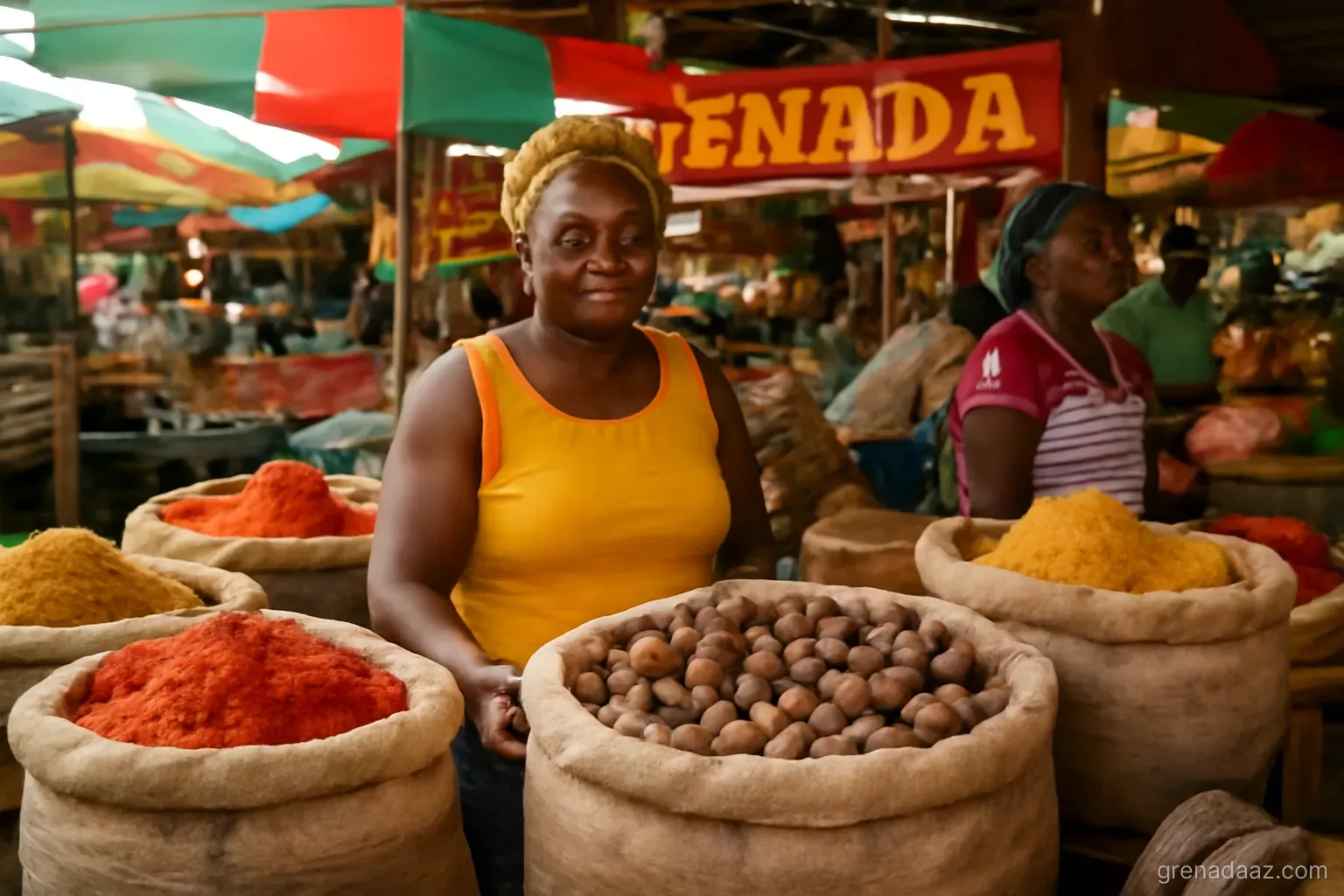
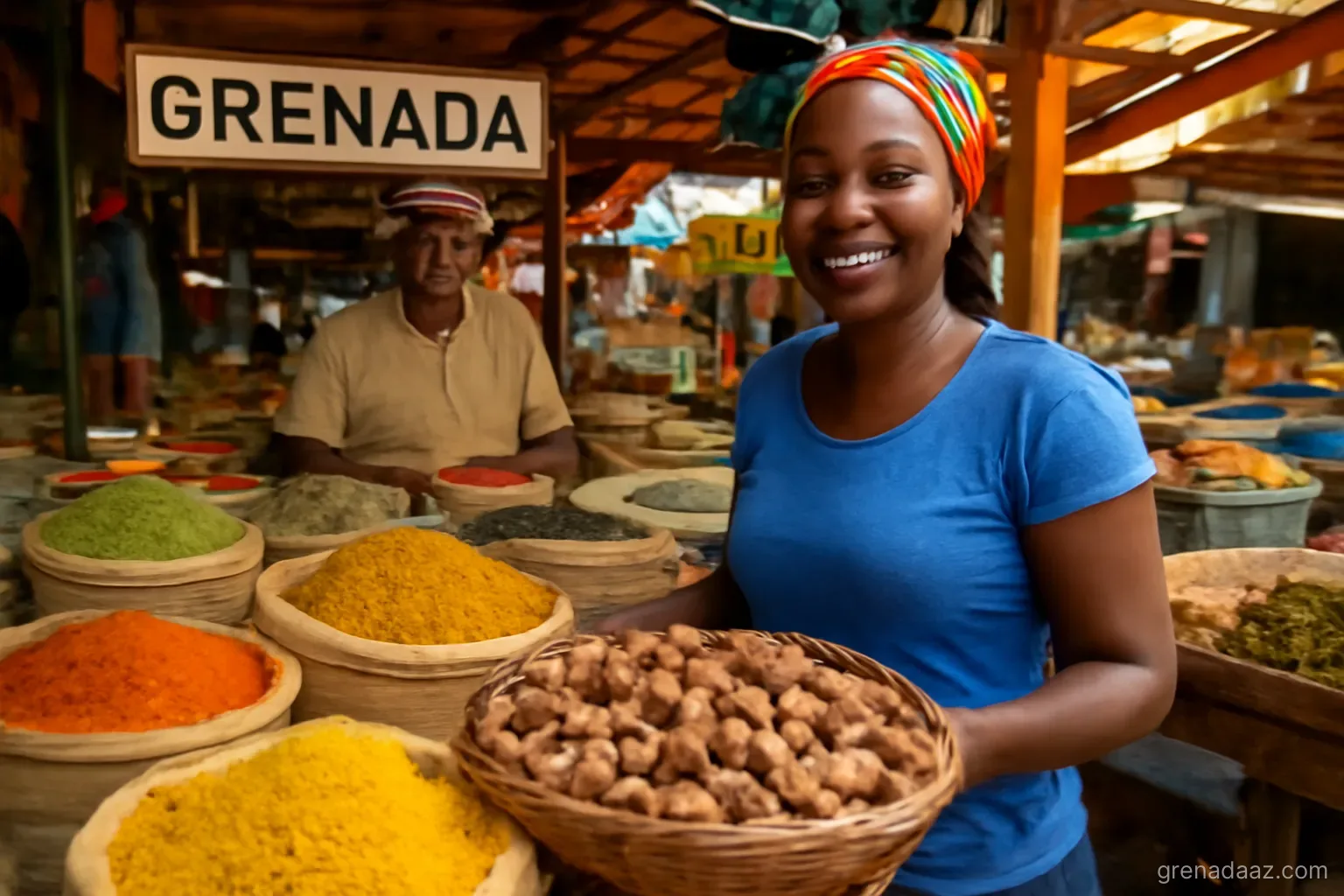
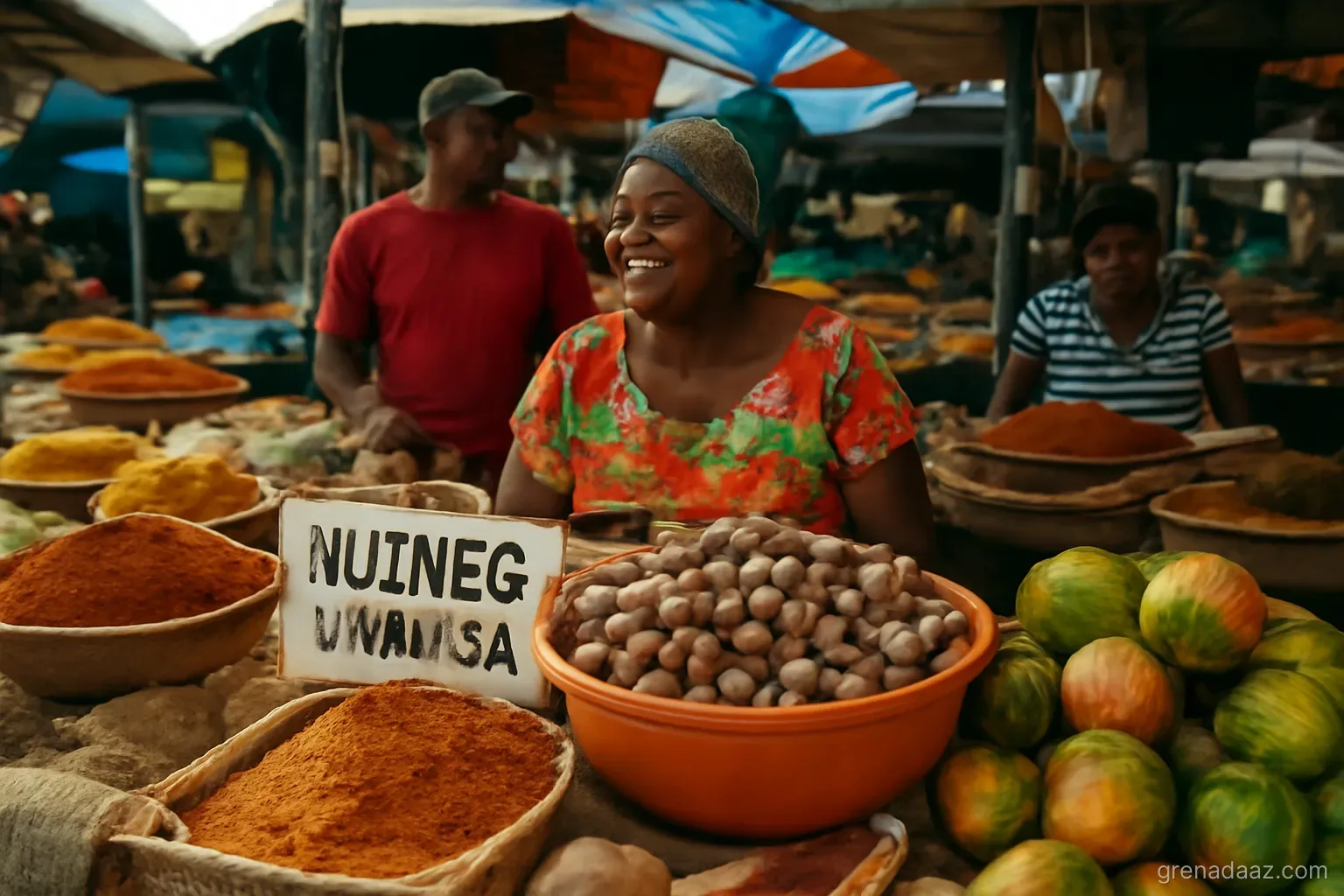
This is what distinguishes the cooking. Nutmeg and mace are not confined to sweets:
- Grated nutmeg on drinks, including rum punch, as standard
- Nutmeg jam and syrup, made from the fruit surrounding the seed, which elsewhere is discarded
- Nutmeg ice cream
- Cinnamon and clove in savoury stews
- Cocoa tea — spiced cocoa taken at breakfast
The nutmeg fruit point is the most Grenadian detail: the flesh around the seed is a by-product almost everywhere else, and here it became a product in its own right.
Drinks
Rum, including from a distillery still using a waterwheel and producing an exceptionally strong local spirit. Fresh juices from local fruit. Mauby, sorrel and ginger beer — traditional non-alcoholic drinks, sorrel especially at Christmas.
Frequently asked questions
What are ground provisions?
The starch base of the local diet — breadfruit, dasheen, green banana, cassava, sweet potato and yam.
What is lambi?
Conch, stewed or curried — a local staple rather than a tourist novelty.
What happens to the nutmeg fruit?
Here it becomes jam and syrup, whereas almost everywhere else the flesh around the seed is discarded.
Is oil down restaurant food?
Not by origin — it is social food made in a large pot over a fire at gatherings and celebrations.
Need a tailored roadmap?
Viking Global Group walks with you from paperwork to settlement. Call +849.219.219.88 or email [email protected] for a free consultation.
Related articles
Frequently Asked Questions
How does this relate to the Grenada guide?
The article links the Grenada guide to culture.
Information is for reference and may change under the latest official policy. Please contact us for current regulations.