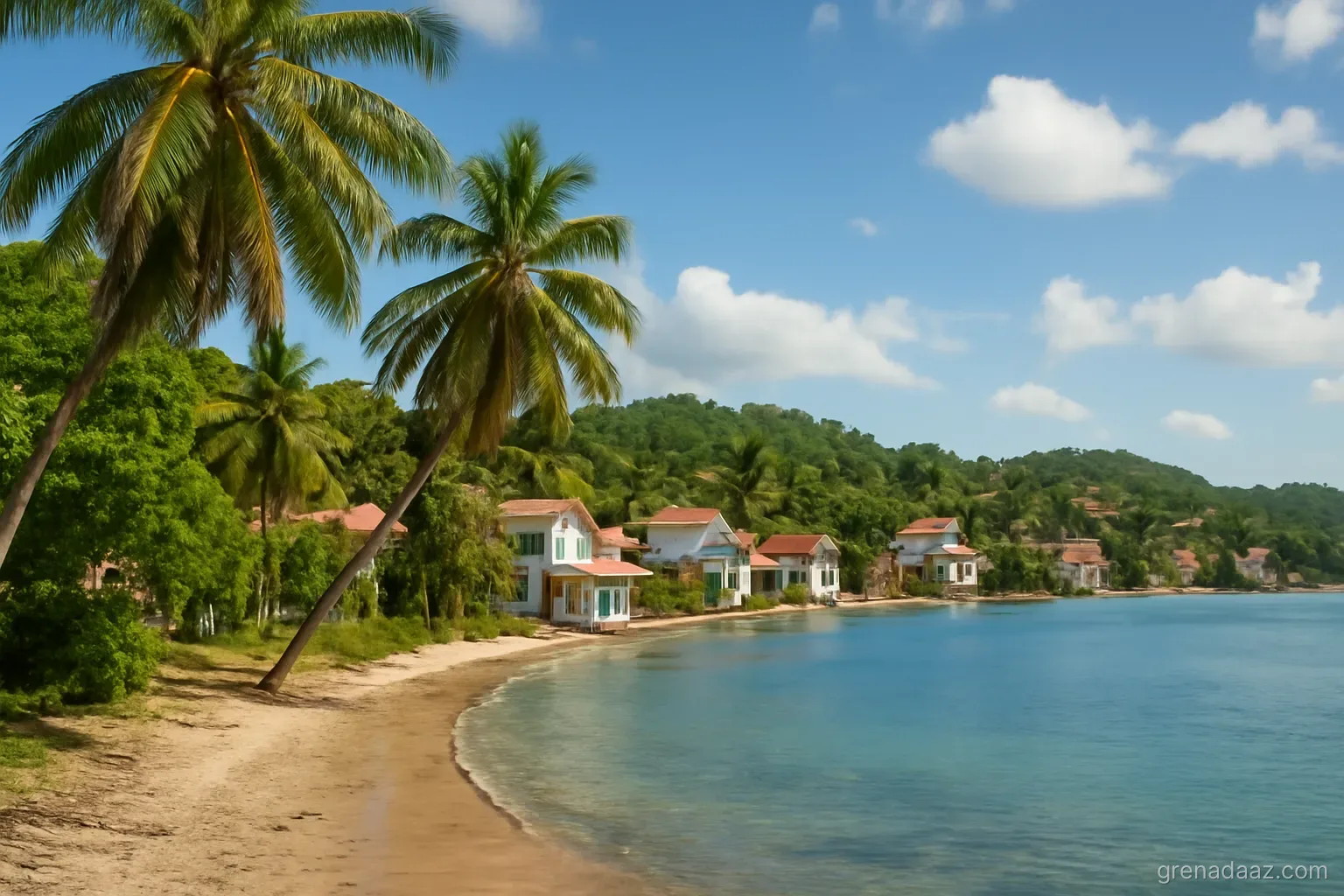
An account of ordinary life in Grenada for someone considering living there, covering the things that shape a week.
Where foreign residents live
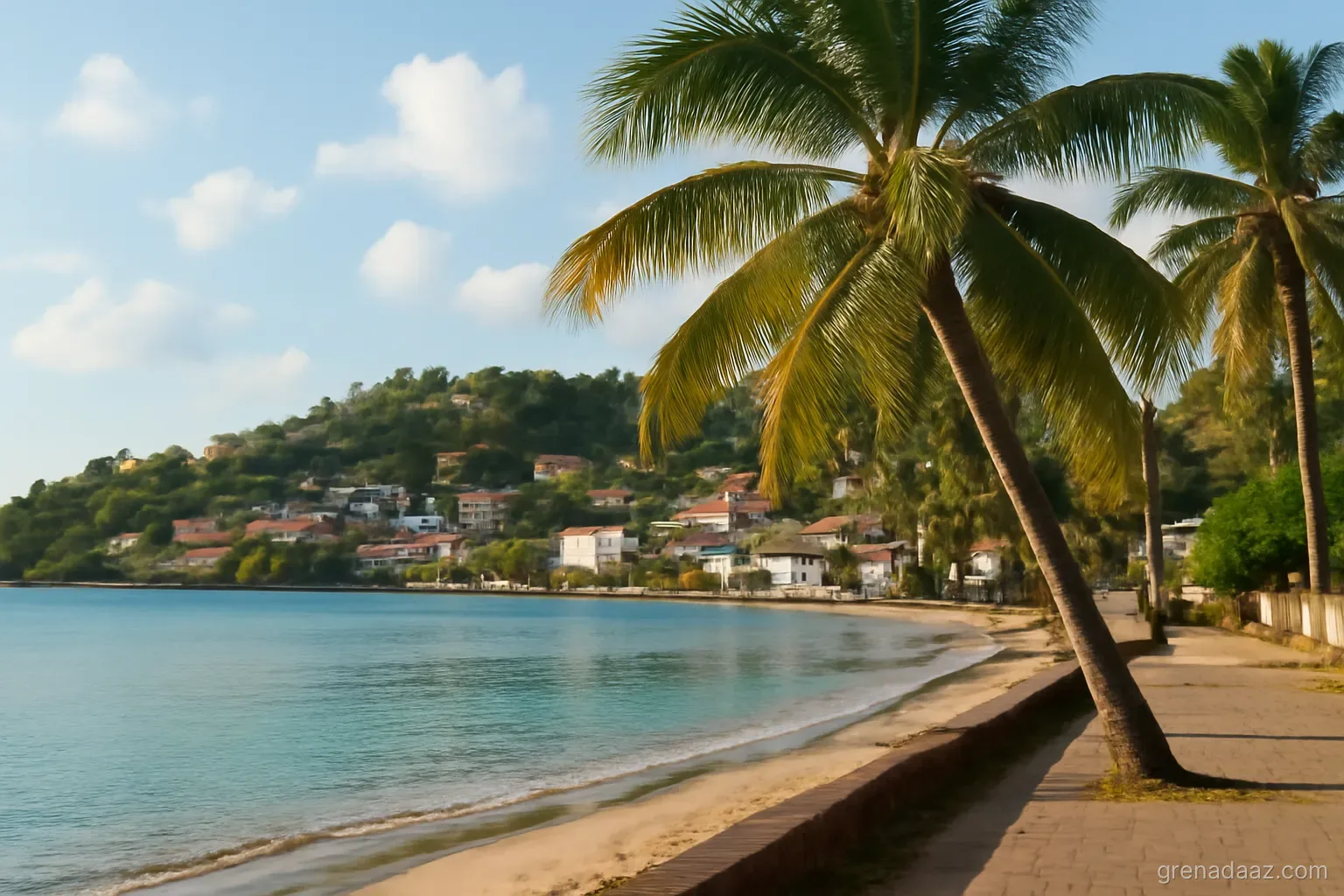
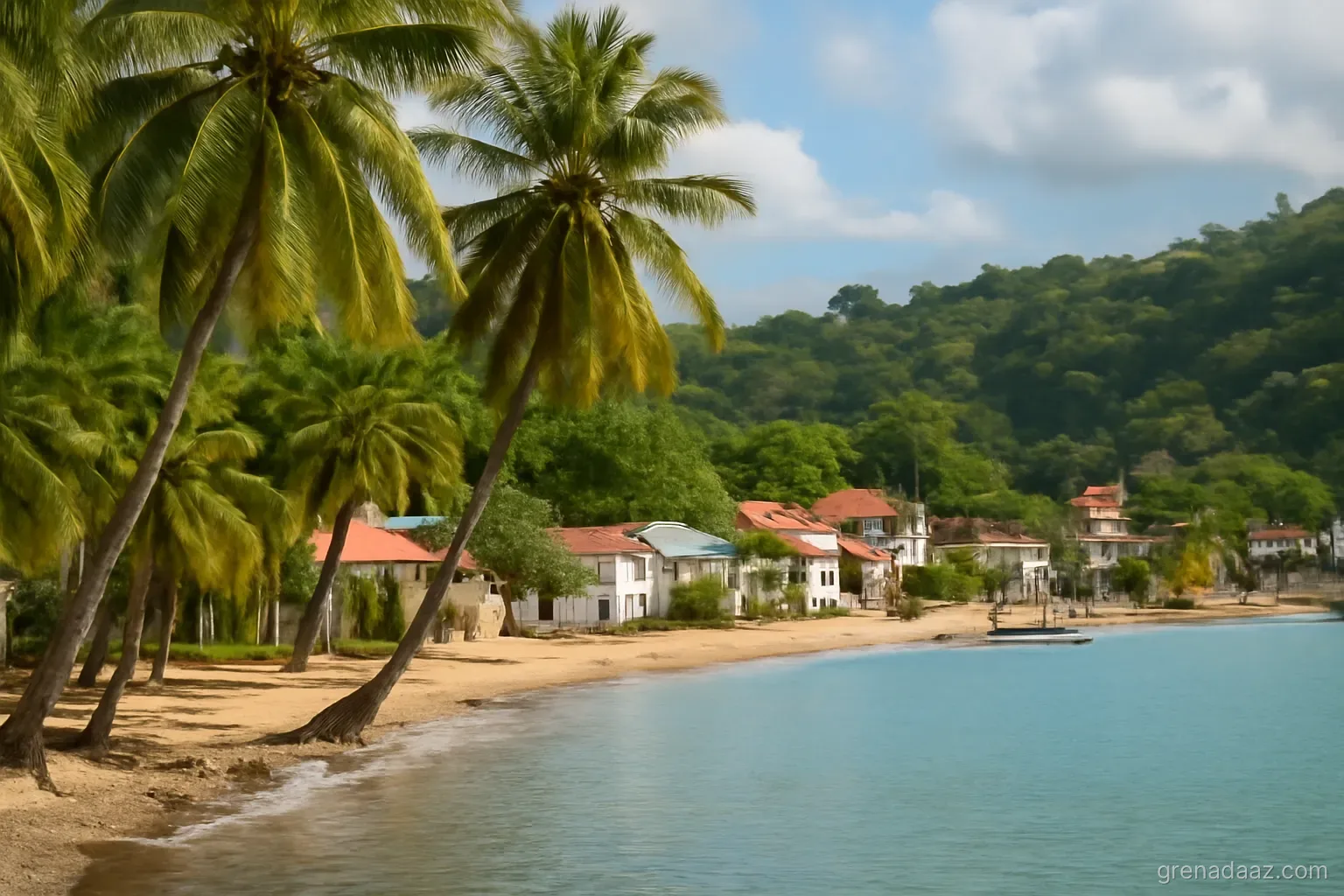
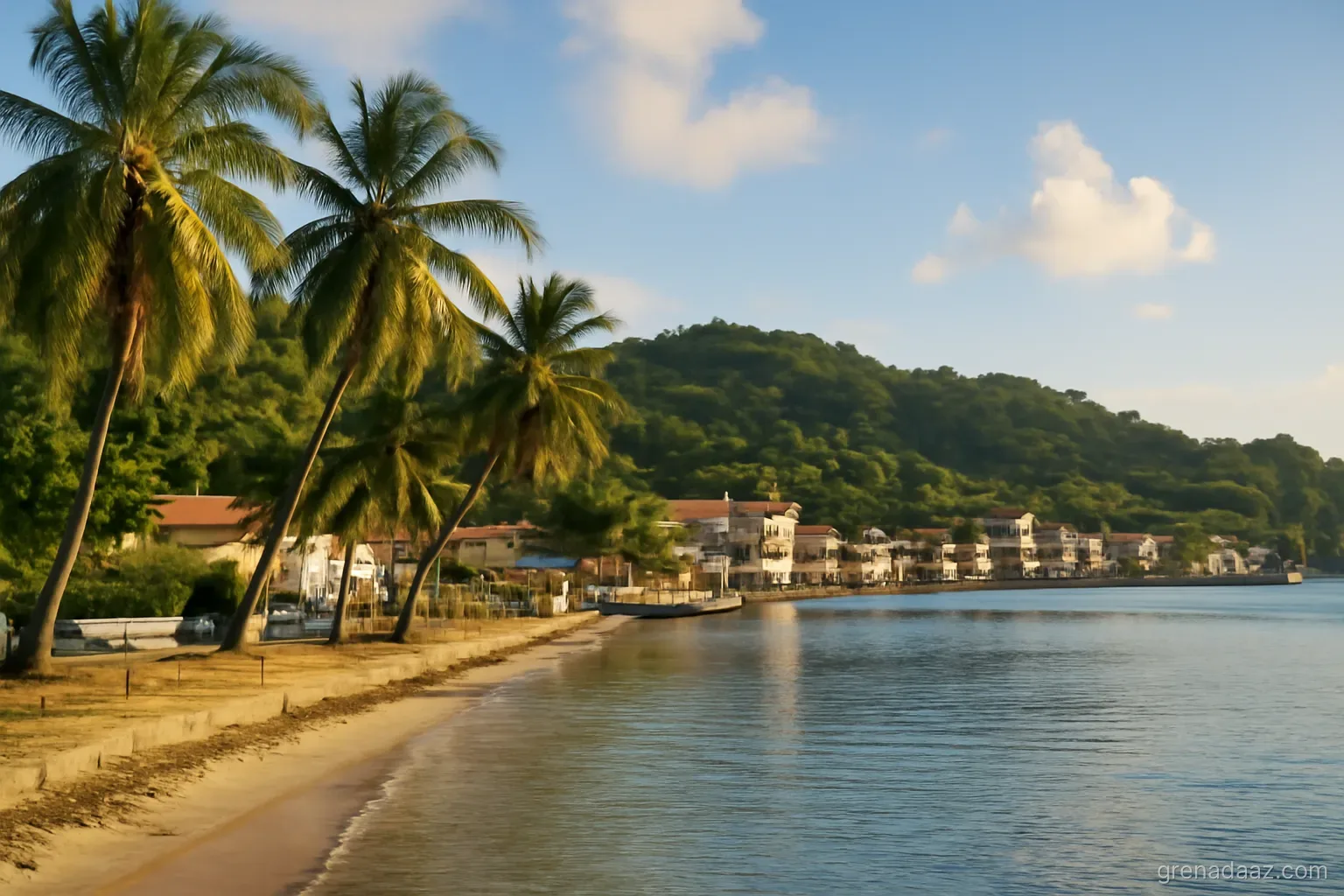
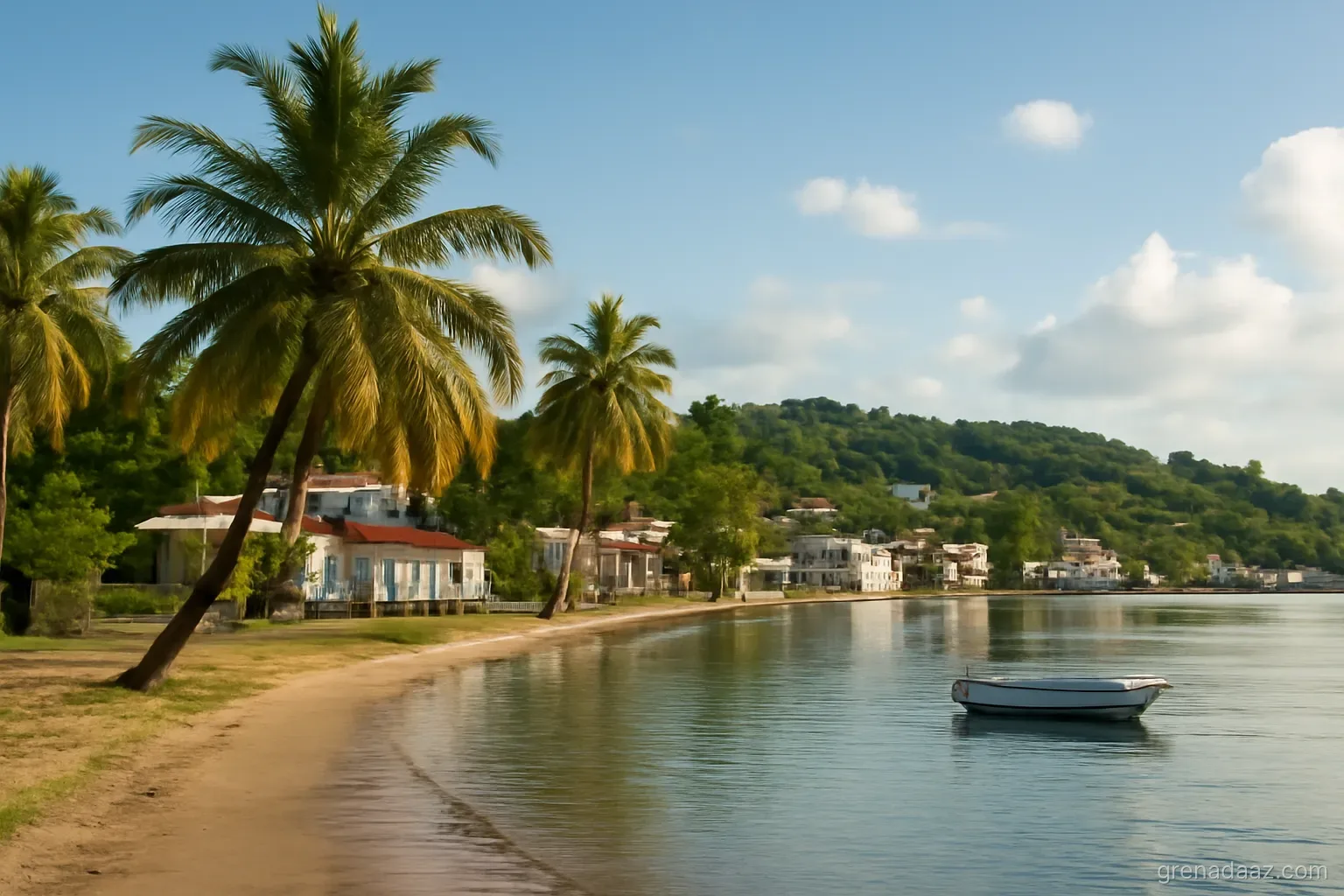
Overwhelmingly in the southwest — the parishes around the capital, the beach strip and the university district. That concentration reflects where the services, the flat land and the community are.
Living elsewhere is entirely possible and considerably cheaper, at the cost of longer journeys on winding roads and fewer amenities.
The practical texture
- Shopping — supermarkets in the southwest stock imported goods at import prices; markets are much cheaper for produce
- Availability fluctuates — specific imported items appear and disappear depending on shipping; buy what you need when you see it
- Electricity is expensive, being generated largely from imported fuel; air conditioning is the single largest household bill for most foreign residents
- Water is treated and generally reliable, with interruptions during dry periods
- Internet works well in the developed southwest, less so elsewhere
The electricity point deserves emphasis because it surprises people: running air conditioning continuously produces a bill that changes the household budget, and most long-term residents adapt by using it selectively.
Getting around
- Minibuses — cheap, frequent on main routes, stop running relatively early in the evening
- Taxis — fares by route rather than meter; agree beforehand
- Owning a car — the practical choice for most residents; import duties make vehicles expensive
- Driving is on the left, roads are narrow and winding, and a local licence is required
The social dimension
Two features shape social life for a newcomer:
The island is small. Reputation travels, anonymity is limited, and you will encounter the same people repeatedly. This is a strength and a constraint at once.
There is an established foreign community, particularly around the university, which makes arrival easier but can become an enclave. Residents who integrate beyond it consistently describe a better experience.
What people find hardest
- Pace — administration and services move slowly; frustration is the standard first-year experience
- Limited choice — in goods, services and professional options
- Isolation — travel anywhere means flying, and connections are limited
- Hurricane season — a period of genuine anxiety each year
What people find best
Safety, climate, the natural environment on the doorstep, a slower and more human pace, and the ease of forming relationships in a place where people are not in a hurry to get past you.
Frequently asked questions
Where do most foreign residents live?
In the southwest — around the capital, the beach strip and the university district, where services and flat land are.
What is the biggest household bill?
Electricity, generated largely from imported fuel — continuous air conditioning changes the budget materially.
What do newcomers find hardest?
The pace of administration and services, limited choice, and the isolation of needing to fly anywhere.
Is there an established foreign community?
Yes, particularly around the university — helpful on arrival, though residents who integrate beyond it report a better experience.
Need a tailored roadmap?
Viking Global Group walks with you from paperwork to settlement. Call +849.219.219.88 or email [email protected] for a free consultation.
Related articles
Frequently Asked Questions
How does this relate to the Grenada guide?
The article links the Grenada guide to living.
Information is for reference and may change under the latest official policy. Please contact us for current regulations.