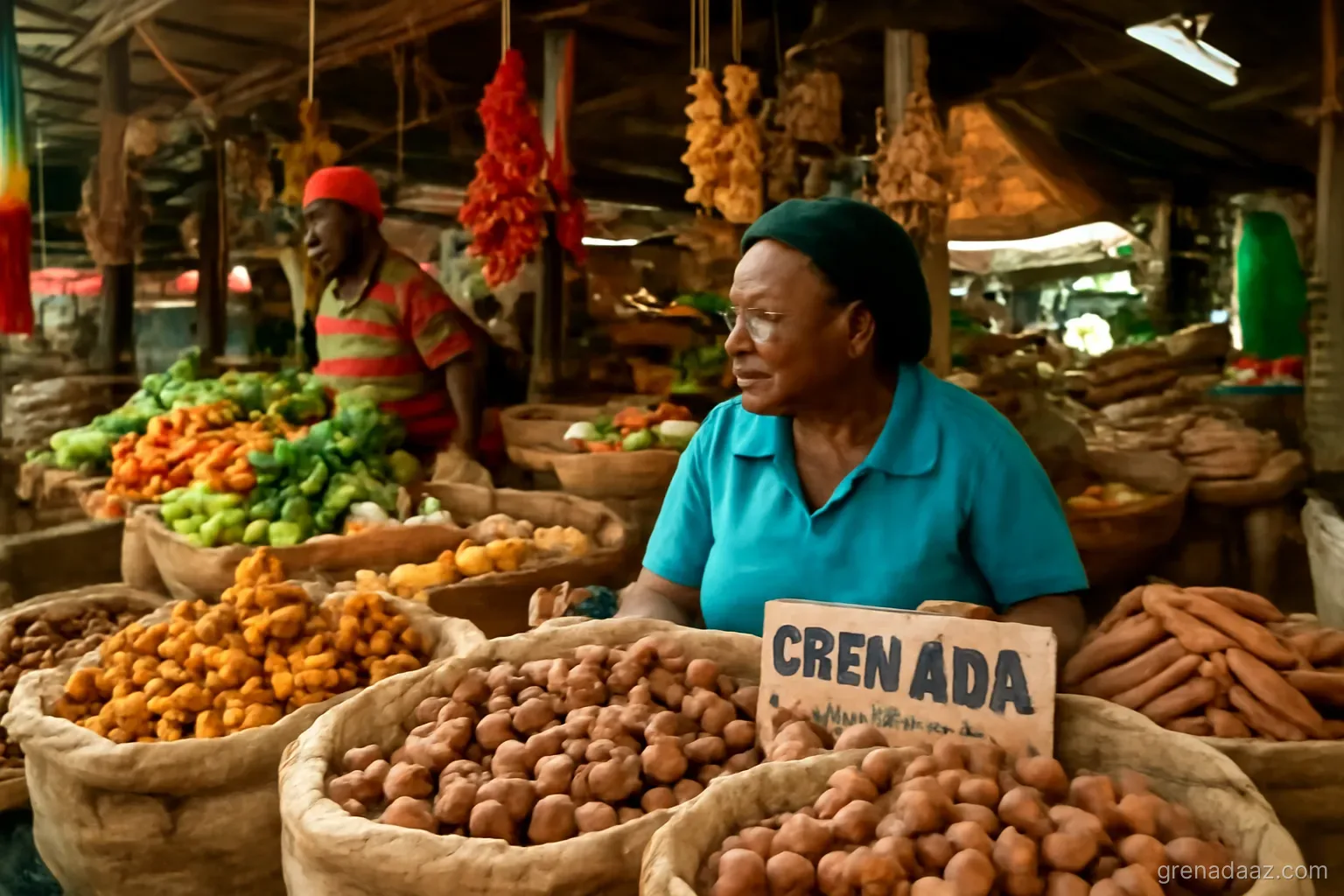
Much writing about Caribbean culture treats the region as interchangeable. This is about what is specifically Grenadian.
The August carnival
Grenada's carnival falls in August, not before Lent. That timing is the significant fact: it aligns with emancipation commemoration rather than the Catholic liturgical calendar, giving the festival a different historical foundation from Trinidad's.
The most distinctive element is a masquerade tradition of figures covered in oil, moving through the streets in the pre-dawn opening of the festival. It is confrontational, physical and unlike the feathered spectacle that dominates elsewhere — a deliberate inversion of the polished carnival aesthetic.
The Big Drum tradition
On the sister island, a ceremonial music and dance form preserves rhythms and songs traceable to specific African origins, performed at community occasions rather than for audiences.
This is unusual: much of the Caribbean lost such specific lineage, and its survival in a small island community is culturally significant well beyond the country's size.
Boatbuilding
Wooden vessels are still built by hand on the beaches of Carriacou using techniques transmitted through families. An annual regatta is built around the tradition, and the boats are working craft rather than heritage reconstructions.
Food
- Oil down — the national dish, breadfruit and salted meat simmered in coconut milk with vegetables and seasoning, cooked in one pot, traditionally over a fire and shared
- Spice in everything — nutmeg appears in drinks, jams, ice cream and sauces, not only in baking
- Cocoa tea — a spiced cocoa drink, taken at breakfast rather than as a dessert item
- Local chocolate — beans grown, fermented and processed on the island, an unusual degree of vertical integration for a small producer
- Rum from a waterwheel distillery — still operating with equipment of considerable age
The chocolate point is a genuine distinction: most cocoa-growing countries export raw beans. Processing on the island captures value that normally leaves.
Music
Calypso and soca dominate the carnival season, alongside regional forms. But the enduring local contribution is the older drum and dance repertoire of the sister islands — the layer beneath the commercial genres.
Cricket
More than a sport. Grenada contributes players to the West Indies team, and the national stadium hosts international matches. The success of a Grenadian in the regional side is a national event, and the game structures conversation and community in a way outsiders consistently underestimate.
Frequently asked questions
Why is carnival in August?
Because it aligns with emancipation commemoration rather than the pre-Lenten Catholic calendar.
What makes the Big Drum tradition significant?
It preserves rhythms and songs traceable to specific African origins, a lineage much of the Caribbean lost.
What is unusual about the chocolate industry?
Beans are grown, fermented and processed on the island rather than exported raw, capturing value that normally leaves.
What is oil down?
The national dish — breadfruit and salted meat simmered in coconut milk with vegetables, cooked in one pot and shared.
Need a tailored roadmap?
Viking Global Group walks with you from paperwork to settlement. Call +849.219.219.88 or email [email protected] for a free consultation.
Related articles
Frequently Asked Questions
How does this relate to the Grenada guide?
The article links the Grenada guide to culture.
Information is for reference and may change under the latest official policy. Please contact us for current regulations.