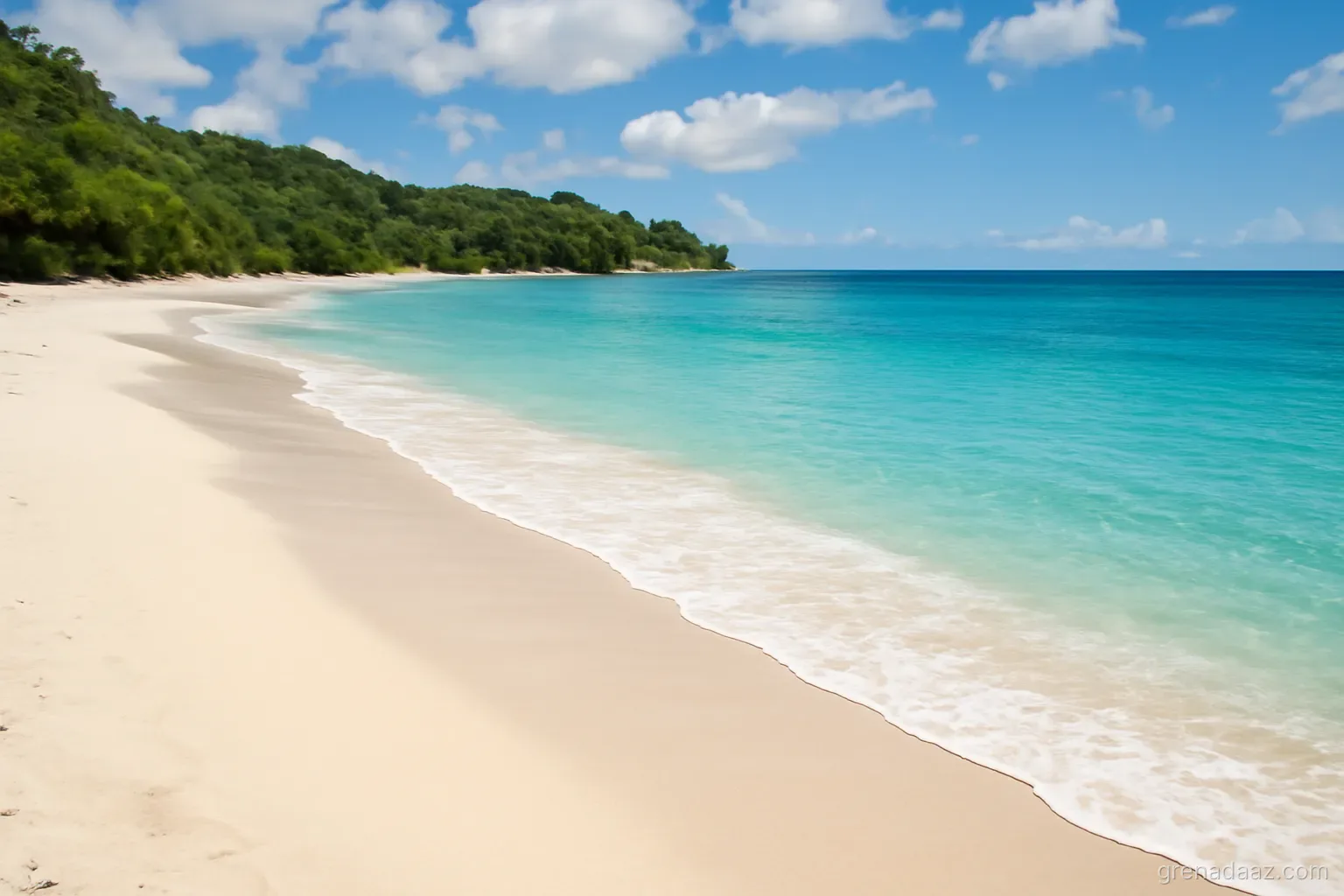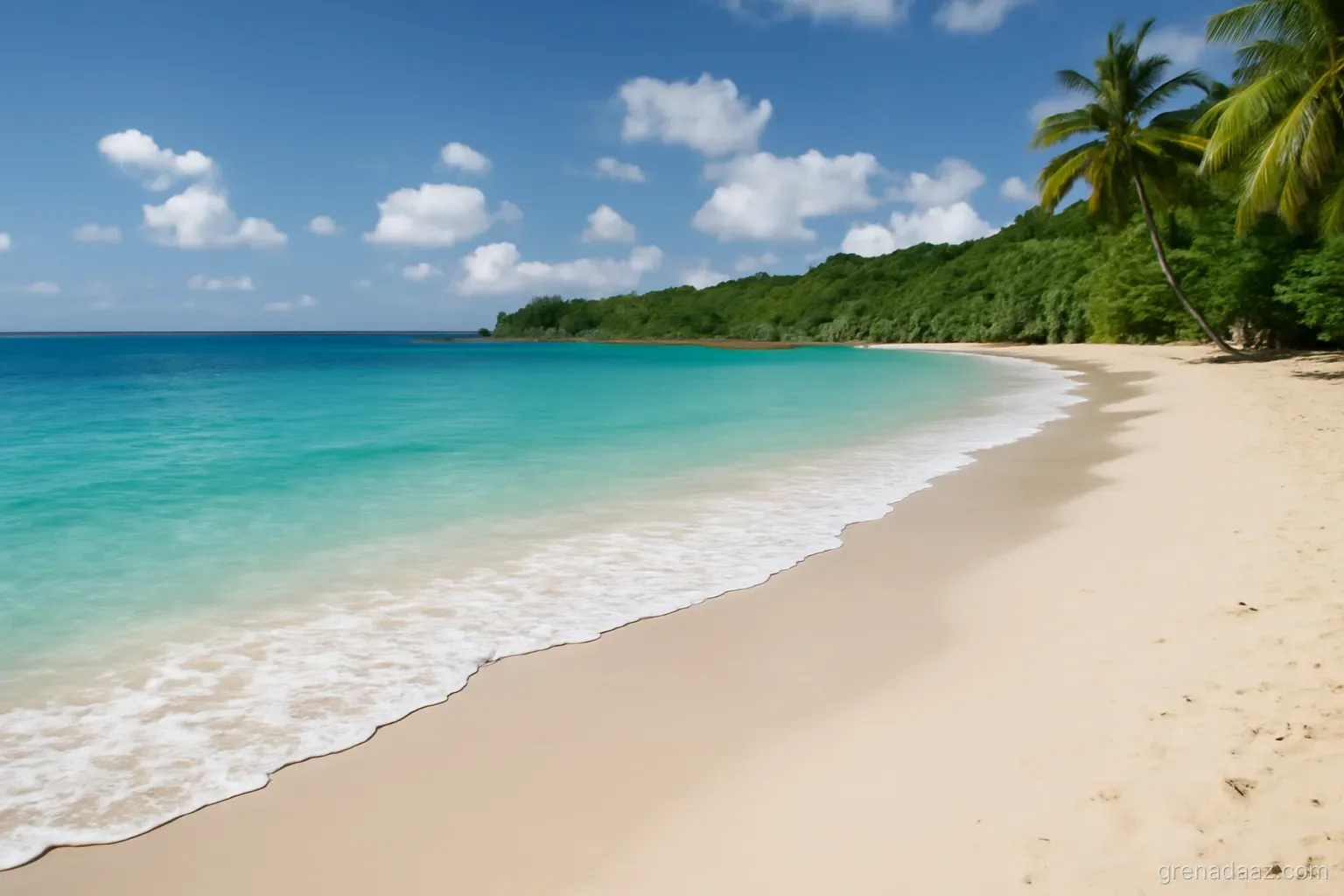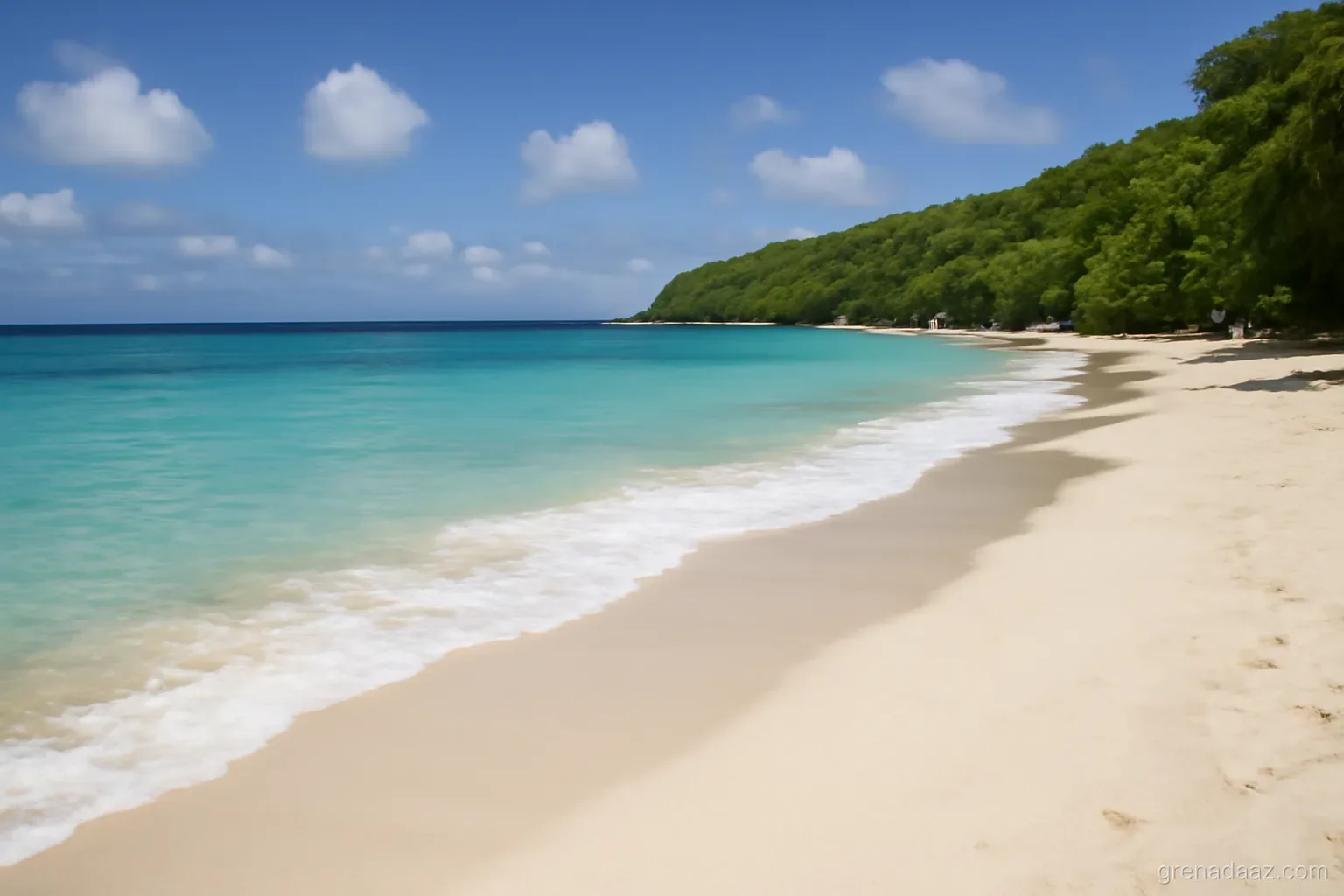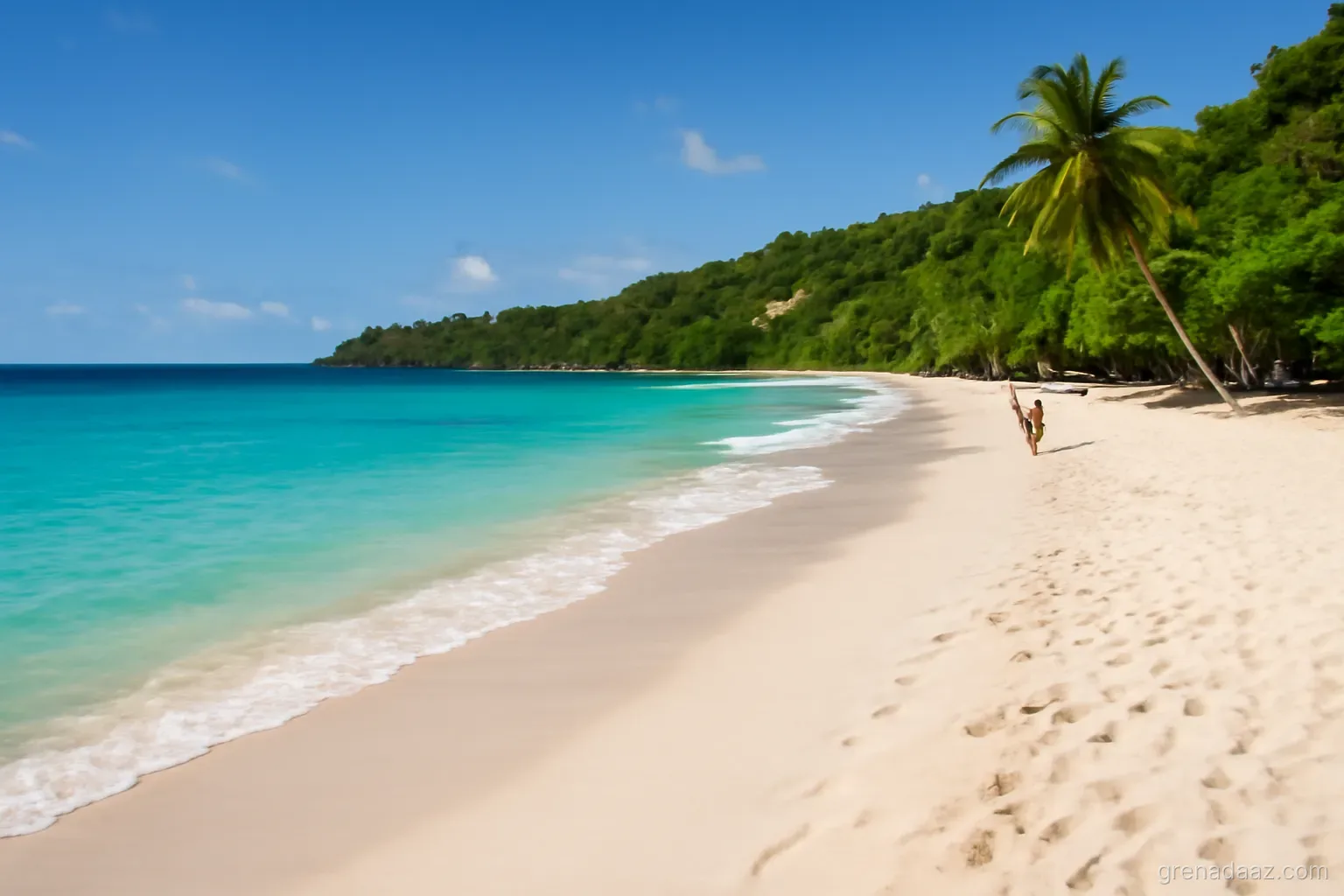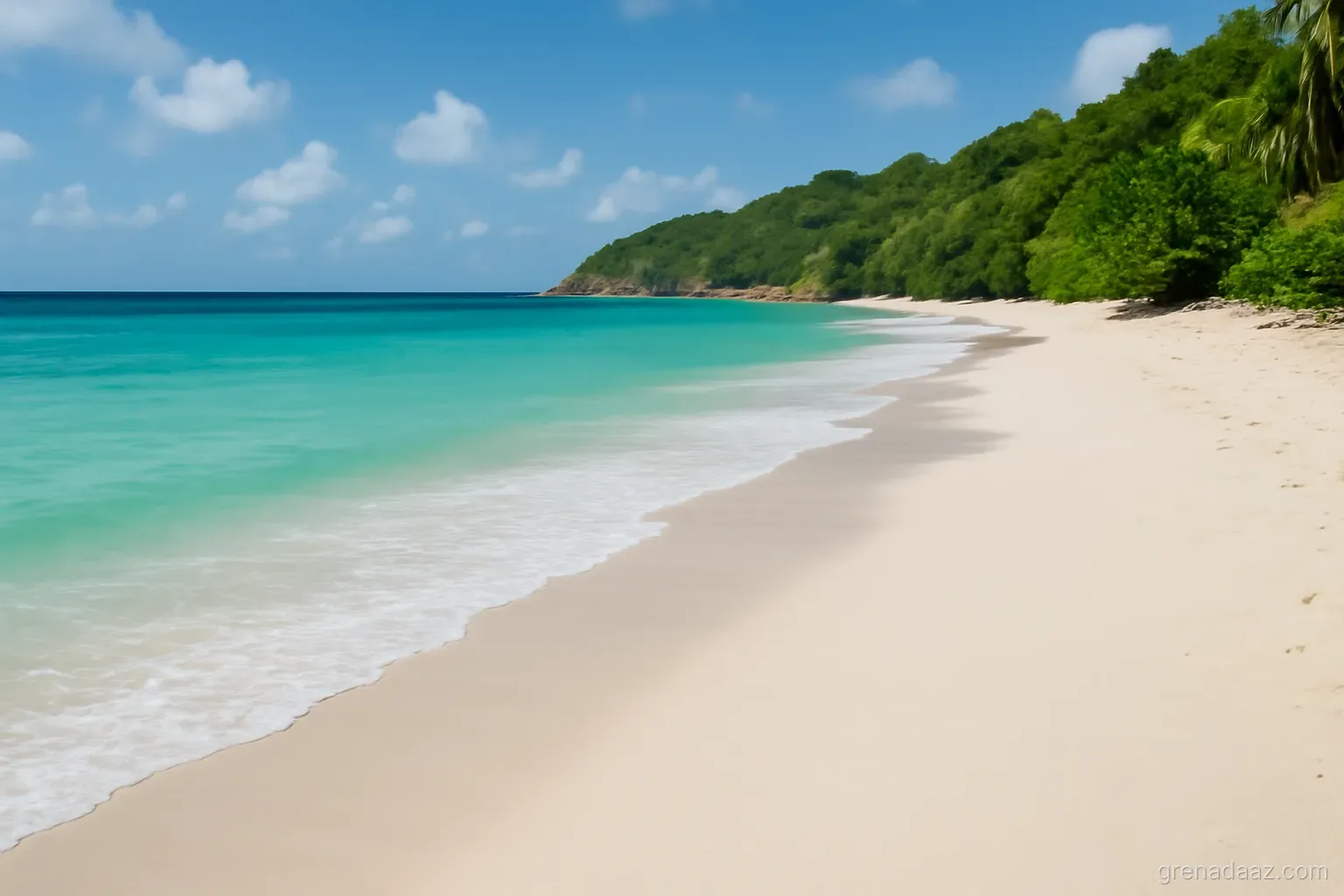
Grenada has beaches of several distinct types, and the differences are more interesting than a list of names.
Grand Anse
The principal beach: a long sweep of pale sand on the sheltered southwest coast, roughly three kilometres, backed by hotels and with a view north to the capital's church spires.
Three things distinguish it:
- It is public — Grenadian law protects beach access, so no hotel controls a section of it
- Calm water, gently shelving, suitable for weak swimmers and children
- A craft market at one end, providing a licensed alternative to beach vending
The public access point is worth emphasising: the entire beach is open to everyone, and locals use it as heavily as visitors, particularly at weekends.
The southwest cluster
- Morne Rouge — a smaller, quieter bay near Grand Anse, more sheltered still, popular with families
- Magazine Beach — near the airport, with reef close to shore for snorkelling
- Pink Gin Beach — small and calm, at the southwestern tip
The volcanic beaches
Along parts of the coast, the sand is dark grey or black — volcanic in origin rather than coral. These beaches are visually striking and much less visited.
A practical warning that surprises people: dark sand absorbs heat and becomes genuinely too hot to walk on barefoot in the middle of the day.
The Atlantic beaches
The east coast faces open ocean. The beaches there are dramatic, often empty, and generally unsuitable for casual swimming because of surf and currents.
Levera in the northeast is the notable one — a wide beach with an offshore island, backed by a mangrove pond, and a nesting site for leatherback turtles. Nesting is seasonal and monitored, and visits during the season should be through organised programmes rather than independently.
The sister islands
Carriacou and its surrounding islets have the clearest water in the country. A sandbar island offshore, reachable only by boat and with no facilities whatsoever, is the most photographed spot in the country — and there is genuinely nothing there but sand and a few trees, which is the point.
Practical notes
- Beach access is protected by law — no beach is private
- Shade is limited on the main beaches; bring your own
- Do not leave belongings unattended
- Check conditions before swimming anywhere on the Atlantic side
Frequently asked questions
Are any beaches private?
No — Grenadian law protects public beach access, so no hotel controls a section.
Why are some beaches black?
The sand is volcanic rather than coral in origin — and it gets too hot to walk on barefoot at midday.
Can you swim on the Atlantic coast?
Generally not casually — surf and currents make those beaches unsuitable for relaxed swimming.
What is special about Levera?
It is a leatherback turtle nesting site, seasonal and monitored, best visited through organised programmes.
Need a tailored roadmap?
Viking Global Group walks with you from paperwork to settlement. Call +849.219.219.88 or email [email protected] for a free consultation.
Related articles
Frequently Asked Questions
What about Nature and travel in Grenada?
The article covers nature and travel in Grenada.
How does this relate to the Grenada guide?
The article links the Grenada guide to nature and travel.
Information is for reference and may change under the latest official policy. Please contact us for current regulations.